


Comparing Biofuels: Ethanol vs. Biodiesel vs. Green Diesel
Introduction to Biofuels and Their Role in Clean Transportation
Biofuels are renewable energy sources derived from organic materials that serve as alternatives to traditional fossil fuels. They play a crucial role in advancing sustainability by reducing reliance on petroleum and lowering carbon emissions in the transportation sector. Clean transportation initiatives increasingly incorporate biofuels due to their potential to enhance energy security and mitigate climate change impacts.
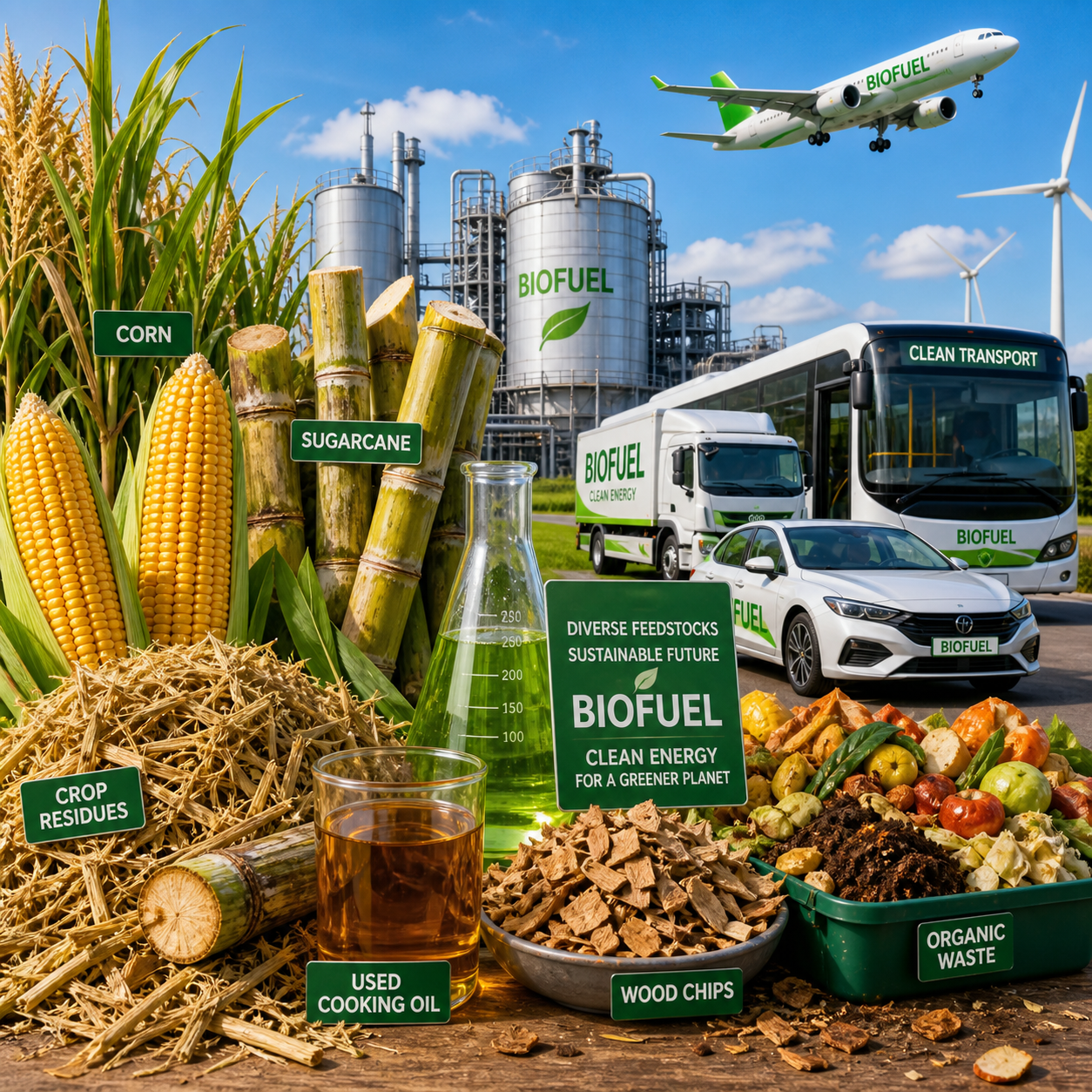
By converting feedstocks like crops, waste oils, or algae into usable fuels, biofuels support a circular economy and offer a promising path toward decarbonizing transport. Among the most prominent biofuels are ethanol, biodiesel, and green diesel, each with unique production methods, environmental profiles, and vehicle applications.
What is Ethanol?
Ethanol is a renewable alcohol-based fuel primarily produced by fermenting sugars from feedstocks such as corn, sugarcane, or cellulosic biomass. It is widely used as a gasoline additive or substitute and is one of the oldest and most established biofuels.
Ethanol's advantages include its high octane rating, which improves engine efficiency and performance, and its ability to reduce tailpipe emissions of carbon monoxide and particulate matter. It is commonly blended with gasoline in proportions like E10 (10% ethanol) or E85 (85% ethanol) to balance energy content and emissions benefits.
However, ethanol faces challenges related to its lower energy density compared to gasoline, potential impacts on engine compatibility for non-flex-fuel vehicles, and concerns over feedstock sustainability, especially when derived from food crops like corn. Lifecycle analyses indicate ethanol's carbon footprint varies significantly depending on agricultural practices and feedstock source.
Understanding Biodiesel
Biodiesel is a renewable diesel substitute made by chemically processing vegetable oils, animal fats, or used cooking oils through transesterification. Common feedstocks include soybeans, rapeseed, palm oil, and increasingly algae.
Biodiesel offers several benefits such as biodegradability, lower emissions of particulates and sulfur oxides, and good lubrication properties that protect diesel engines. It can be used in pure form (B100) or blended with petroleum diesel in various ratios like B20 or B5.
Its limitations include slightly lower energy content than fossil diesel, cold flow issues in colder climates, and feedstock competition with food production in some cases. Careful feedstock selection aligned with sustainability criteria is crucial to maximize biodiesel's environmental advantages.
Exploring Green Diesel
Green diesel, also called renewable diesel, is produced through hydrotreating or catalytic processes that treat fats, oils, or waste materials to create hydrocarbons chemically identical to petroleum diesel.
This allows green diesel to seamlessly replace fossil diesel without engine modifications or blending restrictions. It boasts superior cold flow properties and higher energy density compared to biodiesel, making it very attractive for clean transportation applications.
Environmental assessments show green diesel can deliver substantial carbon emissions reductions over conventional diesel, especially when sourced from waste oils or non-food biomass. It effectively combines biofuel sustainability with petroleum-like performance.
Environmental Impact Comparison
The carbon footprint and lifecycle emissions of ethanol, biodiesel, and green diesel differ based on feedstock origin, production efficiency, and land-use factors.
- Ethanol generally reduces greenhouse gases by 20–50% compared to gasoline, with sugarcane ethanol outperforming corn ethanol due to more efficient photosynthesis and processing.
- Biodiesel offers similar or better reductions (up to 50–80%) when made from waste or sustainably grown crops but varies with feedstock impacts like deforestation or fertilizer use.
- Green diesel typically achieves the largest lifecycle carbon cuts, frequently exceeding 80% reductions when produced from waste oils or residues.
Each biofuel type requires careful lifecycle analysis to ensure overall sustainability, considering factors such as water use, land displacement, and indirect emissions. Feedstocks like algae and waste residues are favored for their minimal impact and high renewable energy potential.
Performance and Usage in Vehicles
The three biofuels differ markedly in engine compatibility and fuel efficiency.
- Ethanol is mainly used in gasoline engines, especially flex-fuel vehicles designed to run on high ethanol blends. Its lower energy density means vehicles may experience slightly reduced fuel economy compared to pure gasoline.
- Biodiesel can be used in conventional diesel engines with little or no modification at low blend levels (typically under 20%). Higher blends or pure biodiesel may require engine adjustments and are sometimes limited by cold weather performance.
- Green diesel is fully drop-in compatible with existing diesel vehicles, offering equivalent or improved fuel economy and emissions performance without modification, making it ideal for broad fleet adoption.
In practical terms, ethanol suits light-duty gasoline vehicles, biodiesel supports many existing diesel applications with some constraints, and green diesel offers the closest to a seamless renewable diesel replacement.
Future of Biofuels in Sustainable Transport
The future of biofuels lies in advancing feedstock sustainability, improving production technologies, and integrating policies that encourage their adoption alongside electrification.
Innovations such as second-generation cellulosic ethanol, algae-based oils, and advanced catalytic refining will enhance biofuel yield and environmental credentials. Government mandates, carbon pricing, and clean fuel standards strongly influence market uptake.
Biofuels will remain a vital part of the energy mix, especially for sectors where electrification is challenging, such as heavy-duty transport, aviation, and shipping. Combining biofuels with other renewable energy sources can help achieve comprehensive decarbonization goals.
Frequently Asked Questions
What are the main differences between biodiesel and green diesel?
Biodiesel is produced by chemically reacting fats or oils with alcohol (transesterification), resulting in fatty acid methyl esters that differ chemically from petroleum diesel. Green diesel uses hydrotreating to create hydrocarbons identical to fossil diesel, making it fully compatible with diesel engines without blending limits. Green diesel often provides better cold flow properties and energy density.
Can ethanol be used in diesel engines?
Ethanol is not suitable for use in diesel engines because it has different combustion properties and lower lubricity. Diesel engines require fuels with high energy density and good lubrication. While ethanol blends are common in gasoline engines, biofuels compatible with diesel engines include biodiesel and green diesel.
Which biofuel is the most environmentally friendly?
Green diesel usually achieves the highest lifecycle carbon emissions reductions, especially when produced from waste oils or non-food biomass. However, ethanol and biodiesel sustainability depends on feedstock and production methods. Using non-food feedstocks and sustainable agricultural practices improves environmental outcomes for all biofuels.
How do feedstocks impact sustainability?
Feedstocks heavily influence biofuels’ carbon footprint and resource use. Crops like corn or soy may compete with food production and cause deforestation, whereas waste oils, agricultural residues, and algae offer lower environmental risks. Sustainable feedstock selection aligned with certification standards is essential to maximize benefits.
Are biofuels a viable long-term solution for reducing carbon emissions?
Biofuels are a vital part of the long-term strategy for reducing transport emissions but are not a standalone solution. Their effectiveness depends on sustainable feedstock sourcing and advances in production. Paired with electric vehicles, improved public transit, and policy support, biofuels can significantly contribute to decarbonizing transport.