

Electric Vehicles vs. Biofuel-Powered Vehicles: Which Is Actually Greener?
Why "Green" Is More Complicated Than It Looks
The environmental impact of any vehicle technology cannot be judged at the tailpipe alone. To make an honest comparison between electric vehicles (EVs) and biofuel-powered vehicles, you need to follow the full chain — from raw material extraction and fuel production, through daily operation, all the way to end-of-life disposal. This is what analysts call a lifecycle assessment, or in transport terms, a Well-to-Wheel analysis.
A car that produces no exhaust fumes on the road can still carry a heavy carbon burden upstream. Equally, a vehicle burning liquid fuel might draw from a source that absorbed CO₂ while it grew. Neither technology is automatically clean, and neither is automatically dirty. The honest answer depends on context — and that context matters enormously for clean transport policy.
How Electric Vehicles Affect the Environment
EVs produce zero tailpipe emissions during operation, which makes them genuinely cleaner in urban air quality terms. But the full picture is more layered than the "zero-emission vehicle" label suggests.
The electricity powering an EV comes from somewhere. In countries where the renewable energy grid supplies most of the power — think Norway, Iceland, or parts of France with nuclear — an EV's operational carbon footprint is very low. In regions where coal still dominates electricity generation, the Well-to-Wheel emissions of an EV can approach those of a modern efficient petrol car. The vehicle itself is clean; the fuel supply chain may not be.
Then there's battery production. Manufacturing a large lithium-ion battery pack requires significant energy and the extraction of critical minerals — lithium, cobalt, nickel, and manganese. Mining these materials carries environmental costs: habitat disruption, water use, and in some regions, serious human rights concerns. Studies consistently show that EV manufacturing generates higher upfront carbon emissions than producing a comparable internal combustion engine vehicle. That carbon debt is typically paid back within a few years of cleaner operation, but it's real and shouldn't be ignored.
Battery recycling infrastructure is improving, but it remains underdeveloped relative to the scale of EV adoption now underway. This is a genuine limitation — not a reason to dismiss EVs, but a reason to keep pushing for better recycling systems.
How Biofuel-Powered Vehicles Stack Up
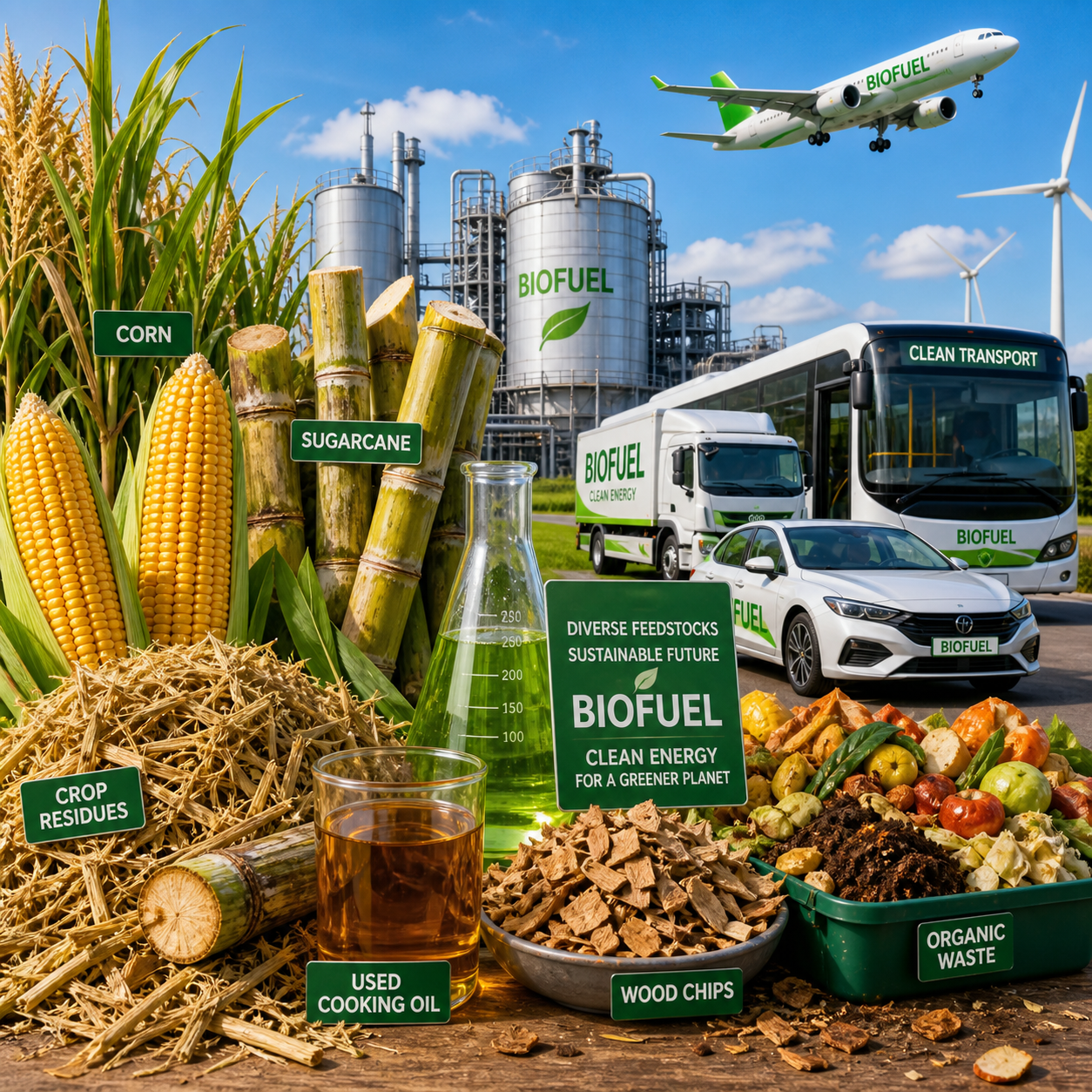
Biofuels are liquid fuels derived from biological sources — crops, organic waste, or algae — and they can power standard internal combustion engines with little or no modification. Their key environmental claim is that the carbon released during combustion was recently absorbed from the atmosphere by the feedstock, making them potentially carbon-neutral on a lifecycle basis.
The reality depends heavily on what the biofuel is made from. First-generation biofuels — bioethanol from corn or sugarcane, biodiesel from rapeseed or palm oil — have a mixed record. When feedstock production involves land-use change (clearing forest or peatland), the carbon debt can take decades to repay. Crop-based biofuels also compete with food production and can drive up agricultural commodity prices.
Advanced or second-generation biofuels are a different story. These are produced from agricultural residues, municipal solid waste, used cooking oil, or purpose-grown non-food crops on marginal land. They avoid most of the land-use and food-competition problems, and their lifecycle carbon savings over fossil diesel or petrol can be substantial. Some waste-based biofuels achieve emissions reductions of 70–90% compared to the fossil fuels they replace — figures that rival or exceed the Well-to-Wheel performance of EVs in grid-heavy regions.
One underappreciated advantage: biofuel-compatible vehicles can use existing internal combustion engine infrastructure. Fleets, older vehicles, and markets where new EV purchases are financially out of reach can decarbonise without replacing every vehicle on the road.
A Head-to-Head: Lifecycle Emissions Compared
When comparing Well-to-Wheel emissions, neither technology wins unconditionally — the outcome shifts depending on two critical variables: the cleanliness of the electricity grid and the source of the biofuel feedstock.
- EV on a clean grid vs. waste-based biofuel vehicle: Both achieve very low lifecycle emissions. The EV edges ahead in operational efficiency, but the margin narrows significantly when battery manufacturing emissions are included.
- EV on a coal-heavy grid vs. advanced biofuel vehicle: The biofuel vehicle may actually produce lower total lifecycle emissions, particularly if the biofuel is waste-derived.
- EV on a mixed grid vs. crop-based biofuel vehicle: The EV typically performs better, especially as grids continue to decarbonise over time.
The key takeaway is that upstream emissions — how electricity is generated or how fuel is produced — can swing the comparison more than the vehicle technology itself. Lifecycle thinking, not tailpipe thinking, is the only honest framework for this debate.
Infrastructure, Accessibility, and Real-World Adoption
Practical adoption depends on more than emissions charts. Infrastructure, cost, and geography shape which technology is actually available to people.
EV charging networks are expanding rapidly in Europe, North America, and parts of Asia, but rural areas, apartment dwellers without home charging, and lower-income markets still face real barriers. A long-haul truck driver or a smallholder farmer in sub-Saharan Africa faces a very different clean transport landscape than a city commuter in Amsterdam.
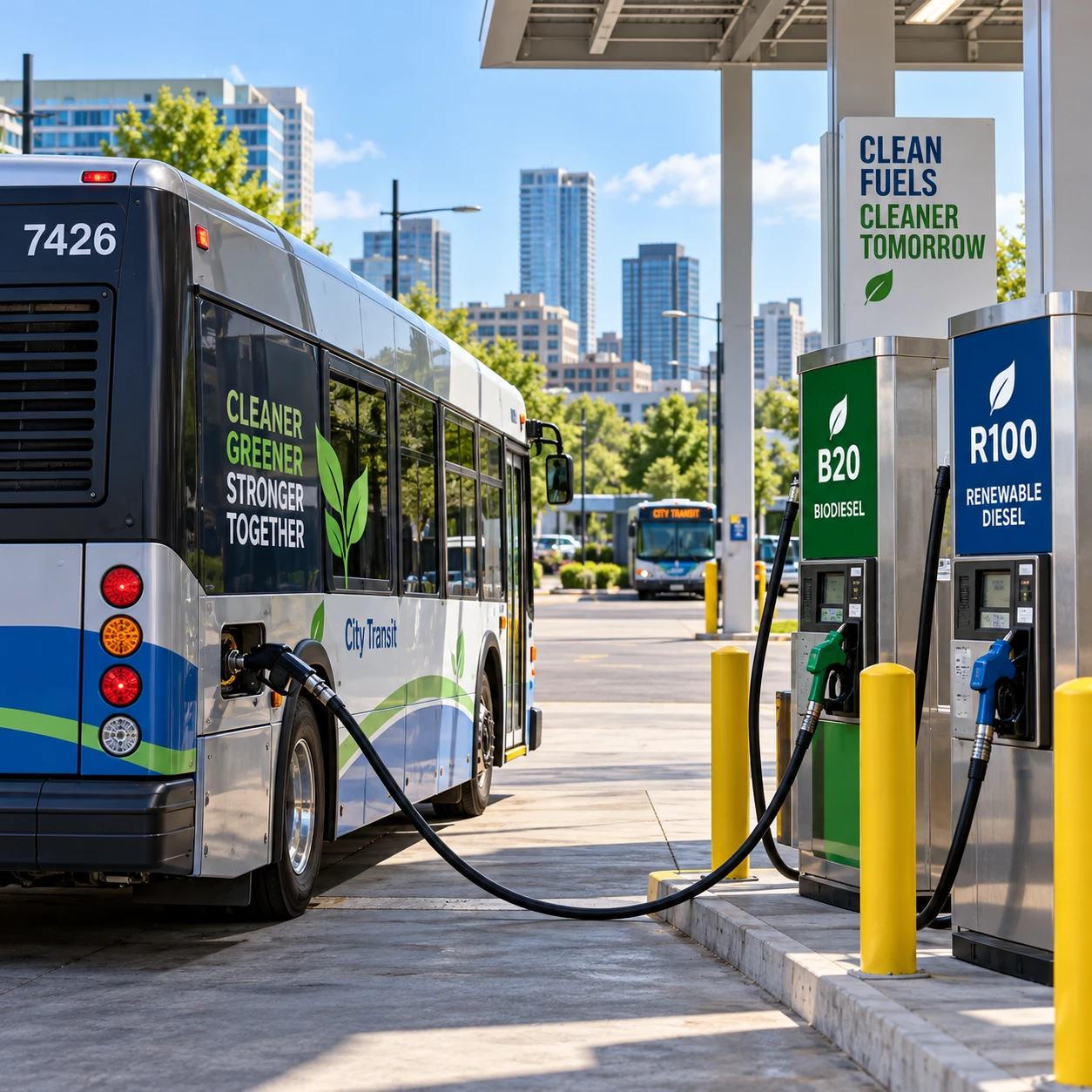
Biofuels, by contrast, can be distributed through existing fuel retail infrastructure. In countries like Brazil — where bioethanol from sugarcane has powered flex-fuel vehicles for decades — the transition required no new filling station network. This ICE retrofit compatibility is a significant practical advantage in markets where replacing the entire vehicle fleet is economically or logistically impossible in the near term.
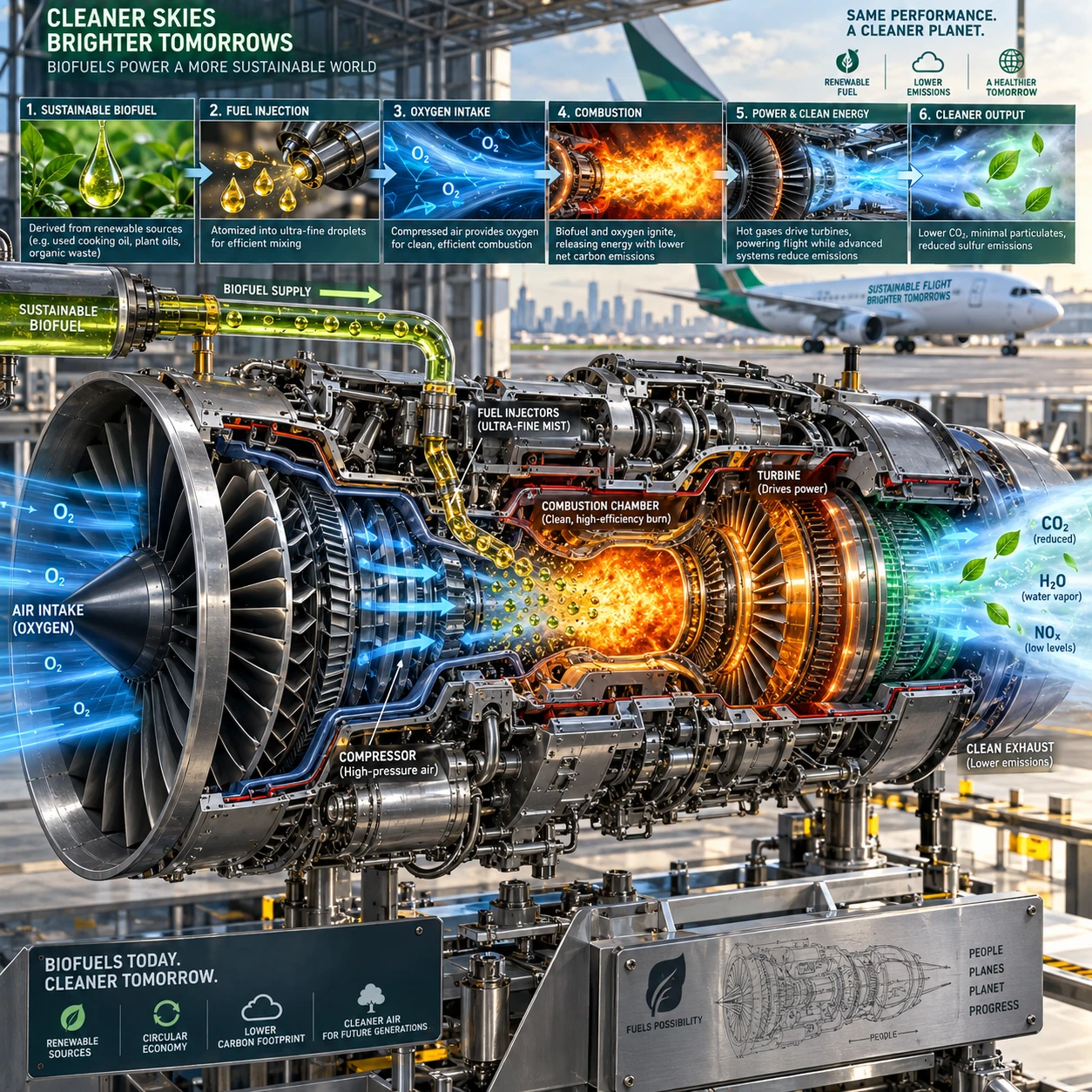
Heavy transport is another frontier where the comparison shifts. Long-haul trucks, ships, and aircraft face physical limits on battery size and weight. Advanced biofuels and other low-carbon liquid fuels are currently the most viable decarbonisation pathway for these sectors — EVs simply aren't ready to replace a 40-tonne freight truck on a 1,000-kilometre route.
Can Both Technologies Coexist in a Clean Transport Future?
Yes — and framing this as a competition may be the biggest mistake in the clean transport debate. EVs and biofuels are more likely to serve complementary roles than to replace each other.
A realistic picture of net-zero transport probably looks something like this: EVs dominate urban passenger travel where grid infrastructure is strong and vehicle ranges are sufficient. Advanced biofuels and synthetic fuels handle heavy freight, aviation, and shipping where electrification remains impractical. In emerging markets and rural regions with limited grid access, biofuel-compatible vehicles provide a decarbonisation pathway that doesn't require waiting for charging infrastructure to arrive.
The European Union's renewable energy and fuel quality directives already recognise this by setting separate targets for advanced biofuels alongside EV adoption goals. The transition isn't either/or — it's a portfolio approach, and the right mix depends on local conditions.
What Should You Choose — and What Should We Advocate For?
For individual consumers in regions with a reasonably clean electricity grid, an EV is likely the lower-emission choice for everyday passenger transport — particularly as grids continue to shift toward renewables. If you drive a diesel van, truck, or older vehicle that you can't replace, switching to a high-blend biodiesel or advanced bioethanol blend is a meaningful step available right now.
But individual choices only go so far. The bigger lever is systemic: pushing for cleaner electricity grids, investing in advanced biofuel production from waste feedstocks, building charging infrastructure in underserved areas, and resisting the temptation to declare any single technology the universal solution.
Clean transport awareness means looking past the marketing labels — "zero emission," "carbon neutral," "green fuel" — and asking the harder questions about where energy comes from and what it costs to produce. Both EVs and advanced biofuels have a genuine role to play. The goal is a transport system that's actually clean, not just one that looks clean at the point of use.
Frequently Asked Questions
Are electric vehicles truly zero-emission?
At the tailpipe, yes — EVs produce no direct exhaust emissions. But "zero-emission" is misleading as a lifecycle claim. Manufacturing the battery and generating the electricity both carry carbon costs that vary significantly by location and energy source.
Is biofuel worse than petrol or diesel for the environment?
It depends on the biofuel. Crop-based first-generation biofuels can have a mixed or even negative environmental balance when land-use change is factored in. Advanced waste-based biofuels typically offer large emissions reductions compared to fossil fuels — often 70% or more on a lifecycle basis.
What are advanced biofuels and why do they matter?
Advanced biofuels are produced from non-food feedstocks — agricultural residues, used cooking oil, municipal waste, or algae. They avoid the food-versus-fuel conflict and land-use problems associated with first-generation biofuels, and they offer much stronger carbon savings. They represent one of the most promising near-term pathways for decarbonising sectors that can't easily electrify.
Does the cleanliness of EVs depend on where you live?
Significantly, yes. An EV charged on hydropower or wind energy has a dramatically lower carbon footprint than one charged on a coal-heavy grid. As renewable energy expands, EVs become cleaner over time without any change to the vehicle itself — a long-term advantage that biofuels don't automatically share.
Can existing petrol or diesel cars run on biofuels?
Many can, within limits. Most modern petrol engines can handle ethanol blends up to E10 (10% ethanol) without modification, and diesel engines can use biodiesel blends. Higher-blend compatibility depends on the vehicle. Flex-fuel vehicles are specifically designed to run on a wide range of ethanol-petrol mixtures, and some fleet operators use 100% biodiesel in compatible engines. This retrofit compatibility is one of biofuels' most practical advantages.