


How Biofuels Reduce Carbon Emissions in Transportation
Introduction to Biofuels and Their Role in Transport
Biofuels are renewable energy sources made from organic materials that reduce carbon emissions in the transportation sector. They serve as sustainable alternatives to fossil fuels and play a key role in lowering greenhouse gas (GHG) emissions linked to transport.
By replacing petroleum-based fuels with biofuels, vehicles can burn cleaner energy derived from crops, waste, or algae, effectively closing the carbon cycle loop. This means that the carbon dioxide released during combustion originates from atmospheric CO2 previously absorbed by plants, rather than adding new fossil carbon to the atmosphere.
The transportation sector is a major source of global carbon emissions, accounting for approximately 24% of energy-related CO2 emissions worldwide. Transitioning to biofuels offers an actionable pathway to mitigate these emissions while supporting renewable energy goals.
Types of Biofuels Commonly Used in Transportation
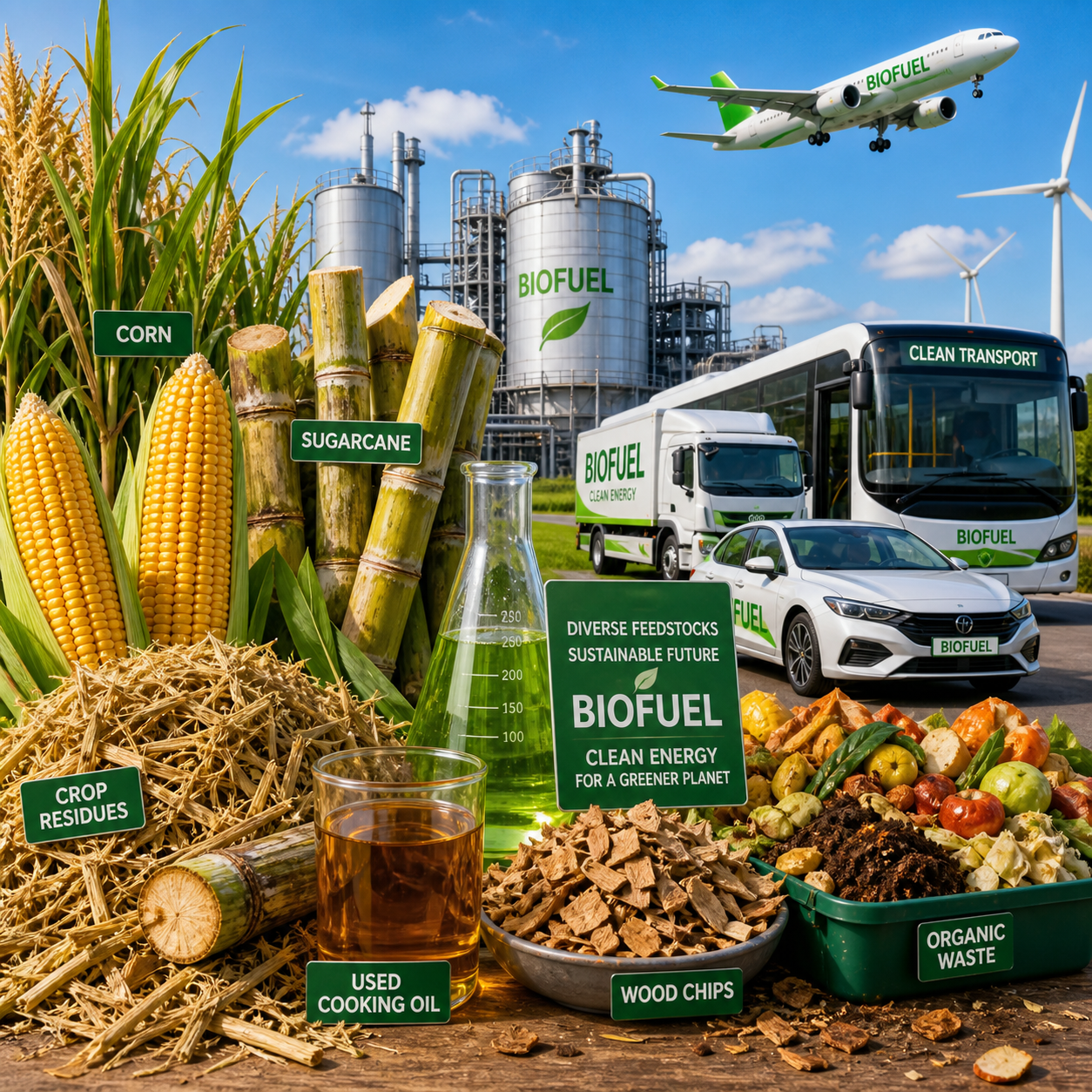
The main biofuels used in transportation include ethanol, biodiesel, and advanced biofuels, each derived from different feedstocks and suited for various vehicle types. Ethanol is typically blended with petrol, biodiesel with diesel, and advanced biofuels are emerging technologies targeting sustainability improvements.
- Ethanol: Produced primarily from sugarcane, corn, or cellulosic biomass, ethanol is an alcohol fuel commonly blended with gasoline (e.g., E10 or E85 blends). It reduces tailpipe emissions and improves octane ratings but generally requires compatible engines.
- Biodiesel: Made from vegetable oils, animal fats, or recycled cooking oils, biodiesel can replace or supplement conventional diesel fuel. It offers significant reductions in particulate matter and greenhouse gas emissions while supporting diesel engines with minimal modifications.
- Advanced Biofuels: These include cellulosic ethanol, algae-based fuels, and synthetic biofuels produced through innovative methods. They aim to overcome food crop competition and increase sustainability by utilizing non-food biomass or waste streams.
Each biofuel type offers tailored benefits for different segments of the transportation sector, contributing to overall emissions reductions.
Mechanisms by Which Biofuels Lower Carbon Footprint
Biofuels reduce carbon emissions primarily by closing the carbon cycle, emitting less net CO2 over their lifecycle compared to fossil fuels.
When biofuels combust, they release carbon dioxide absorbed from the atmosphere during the growth of their original feedstock. This contrasts with fossil fuels, which release carbon sequestered millions of years ago, adding new CO2 to the active carbon pool.
Lifecycle analysis (LCA) is essential to evaluate the true carbon footprint of biofuels, measuring emissions from feedstock cultivation, processing, transport, and combustion. Studies find that ethanol and biodiesel typically reduce GHG emissions by 30% to 70% over their entire lifecycle compared to petroleum fuels.
Moreover, biofuels tend to emit fewer harmful pollutants such as particulates and sulfur oxides, improving local air quality. When properly produced and managed, biofuels effectively lower the carbon intensity of transportation fuels and contribute to renewable energy targets.
Comparing Biofuels to Conventional Fossil Fuels
Biofuels offer substantial emission reductions and sustainability advantages over conventional fossil fuels used in transportation. They reduce net greenhouse gases and decrease reliance on finite petroleum reserves.
Fossil fuels emit large amounts of ancient carbon previously locked underground, exacerbating climate change. By contrast, biofuels recycle carbon currently in the biosphere. This key difference underpins their lower lifecycle carbon emissions.
Additionally, biofuels can improve fuel security by diversifying energy sources and supporting rural economies involved in feedstock production. They also integrate into existing fuel infrastructure and vehicles with moderate adaptations.
However, it's important to consider energy density differences: biodiesel and ethanol contain less energy per volume than diesel or gasoline, potentially affecting fuel economy. Overall, biofuels represent a cleaner, more renewable option that aligns with sustainable transportation strategies.
Challenges and Limitations of Biofuel Adoption
Despite their benefits, biofuels face challenges like feedstock supply constraints, land use impacts, and engine compatibility issues that complicate widespread adoption.
Scaling biofuel production requires substantial amounts of biomass, which can compete with food crops or natural ecosystems, raising concerns about deforestation and food security. Sustainable sourcing and advanced feedstocks help mitigate these effects but do not eliminate them entirely.
Engine compatibility is another consideration. Ethanol blends above certain concentrations require flexible fuel vehicles, and biodiesel blends over 20% may affect engine parts or warranties without modification.
Infrastructure for distribution and storage must also evolve to handle biofuels safely and efficiently. These challenges mean biofuels are not a silver bullet but must be pursued alongside other clean transport technologies.
The Future of Biofuels in Sustainable Transportation
Innovations in biofuel technology and integration with renewable energy systems position biofuels as vital components in decarbonizing the transportation sector.
Next-generation biofuels, such as cellulosic ethanol from agricultural residues and algae-based fuels, promise higher yields with fewer environmental trade-offs. Research is advancing in synthetic biofuels produced via renewable electricity-driven processes, which can further reduce lifecycle emissions.
Combining biofuels with electric vehicles in hybrid systems expands the potential for deep carbon reductions. Policy incentives, carbon pricing, and investments in sustainable feedstock supply chains drive biofuel adoption globally.
While challenges remain, biofuels are expected to play an increasingly important role in sustainable transportation strategies, especially in heavy-duty, aviation, and marine sectors where electrification is more difficult.
Conclusion: Embracing Biofuels for a Cleaner Transport Sector
Biofuels contribute meaningfully to reducing carbon emissions in transportation by offering renewable, lower-carbon alternatives to fossil fuels. They leverage the biological carbon cycle to achieve lifecycle greenhouse gas reductions of 30% or more, support energy diversification, and improve air quality.
Widespread adoption requires addressing supply sustainability, engine compatibility, and infrastructure challenges. Ongoing innovation and policy support will be vital to maximize biofuels’ potential alongside other clean transport technologies.
Ultimately, integrating biofuels into transportation fuels is an actionable step toward achieving global climate goals and fostering sustainable transportation for the future.
Frequently Asked Questions
What are the main types of biofuels used in vehicles?
The primary biofuels are ethanol, commonly blended with gasoline; biodiesel, blended with diesel; and advanced biofuels like cellulosic ethanol and algae-based fuels. Each has distinct feedstocks and vehicle compatibility.
How much can biofuels reduce carbon emissions compared to petrol?
Biofuels can reduce lifecycle greenhouse gas emissions by approximately 30% to 70% compared to conventional petrol, depending on production methods and feedstocks.
Are biofuels sustainable long-term alternatives?
They can be sustainable if sourced responsibly, using non-food biomass and minimizing land use impacts. Advanced biofuels improve sustainability by utilizing waste and residues.
What are the challenges in switching to biofuels?
Challenges include feedstock availability, competition with food crops, engine compatibility limitations for high blend levels, and the need for adapted fuel distribution infrastructure.
How do biofuels fit into overall clean transportation strategies?
Biofuels complement electrification and other renewables by decarbonizing sectors harder to electrify, such as aviation and heavy transport, thus forming a critical part of comprehensive clean transport solutions.