

The Future of Biofuels: Innovations and Advancements in Sustainable Energy
Introduction to Biofuels and Their Role in Sustainability
Biofuels are renewable energy sources derived from organic materials that offer a cleaner alternative to fossil fuels. They play a critical role in sustainable energy by providing lower-carbon options for transportation and industry.
Unlike traditional fossil fuels extracted from ancient deposits, biofuels are produced from biomass such as crops, waste, and algae. This renewable origin allows biofuels to be replenished continuously while reducing dependency on finite oil reserves. Their integration into the energy mix contributes to carbon emissions reduction and supports the global shift toward renewable energy technologies.
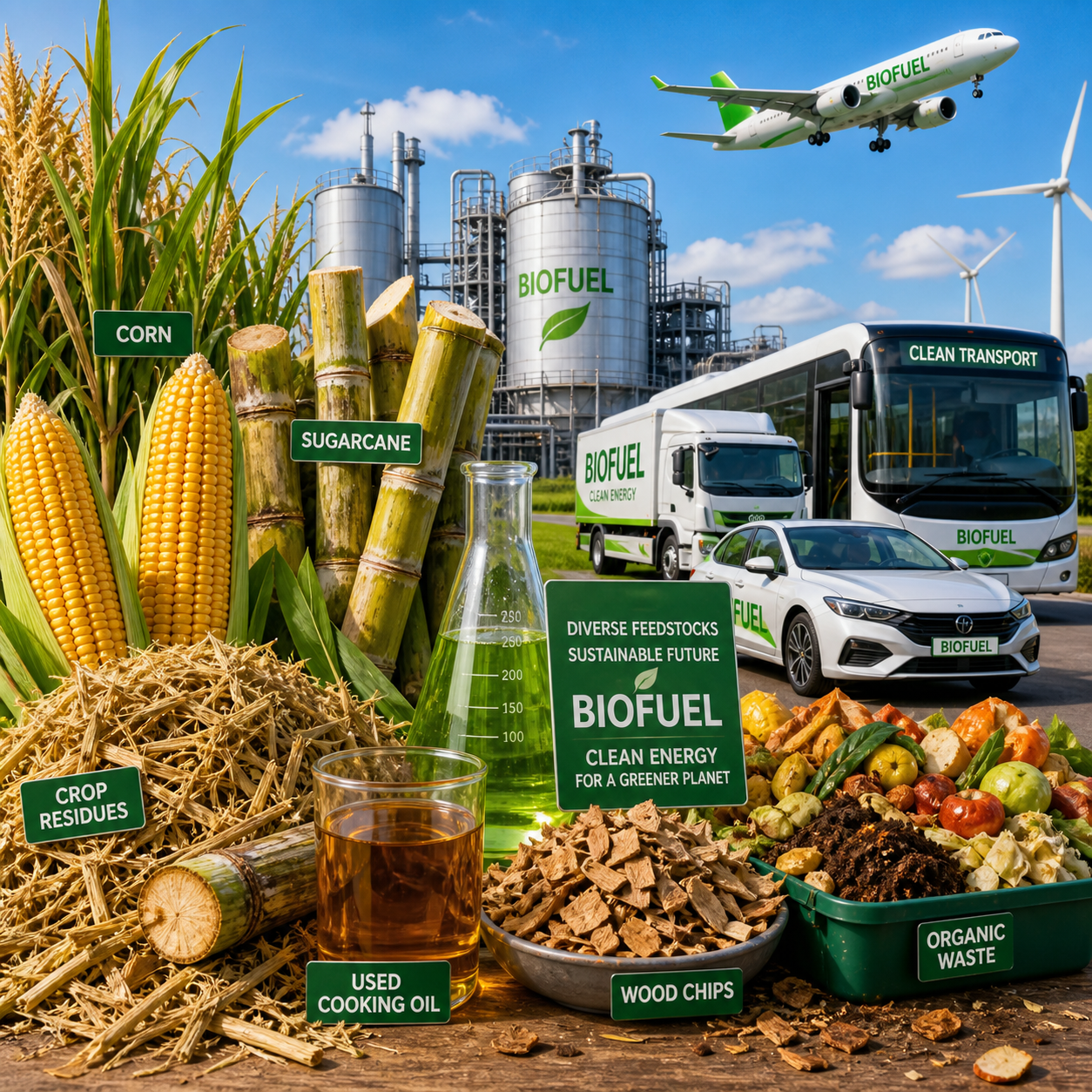
Biofuels encompass a variety of types, including ethanol from corn or sugarcane, biodiesel from vegetable oils, and cutting-edge offerings like second-generation biofuels made from non-food biomass. Their sustainable attributes depend on feedstock source, production method, and lifecycle emissions—all important factors for truly advancing clean energy.
Cutting-Edge Innovations Driving Biofuel Development
Recent innovations in biofuel technology are transforming production and sustainability, with algae-based fuels and biotechnology leading the way.
Algae-based fuels offer great promise because algae grow rapidly, do not require arable land, and have high oil content suitable for conversion into biofuels. New photobioreactor designs and strain engineering are improving yields and reducing costs, making algae a frontrunner for next-generation sustainable fuels.
Biotechnology in biofuels also enables breakthroughs such as genetically engineered crops with enhanced cellulose digestibility for second-generation biofuels. These crops utilize agricultural waste or non-food plants, avoiding conflicts with food supply and enabling higher energy extraction efficiencies.
Other innovations include advanced fermentation processes, improved catalysts for biofuel upgrading, and integration with carbon capture systems to boost environmental benefits. Together, these technologies are expanding the biofuel portfolio and enhancing their potential to meet future energy demands sustainably.
Environmental Impact and Emission Reductions of Next-Gen Biofuels
The environmental advantage of next-generation biofuels lies in their ability to significantly lower lifecycle carbon emissions compared to fossil fuels.
Lifecycle analysis is essential to evaluating the true carbon footprint of biofuels. It considers emissions from feedstock cultivation, processing, distribution, and final use. Advances in feedstock optimization and process efficiency have driven down carbon intensity, making modern biofuels viable contributors to overall carbon emissions reduction.
For example, algae-based fuels can reduce greenhouse gas emissions by up to 70-90% relative to petroleum diesel, depending on production methods. Similarly, second-generation biofuels sourced from agricultural residues avoid many land-use change emissions linked to conventional biofuels.
Despite these improvements, challenges remain such as balancing fertilizer use and water consumption impacts. However, by adopting integrated approaches combining sustainable agriculture, biotechnology, and renewable energy inputs, biofuels continue to strengthen their role as low-carbon energy alternatives.
Biofuels in Clean Transport: Powering the Future of Mobility
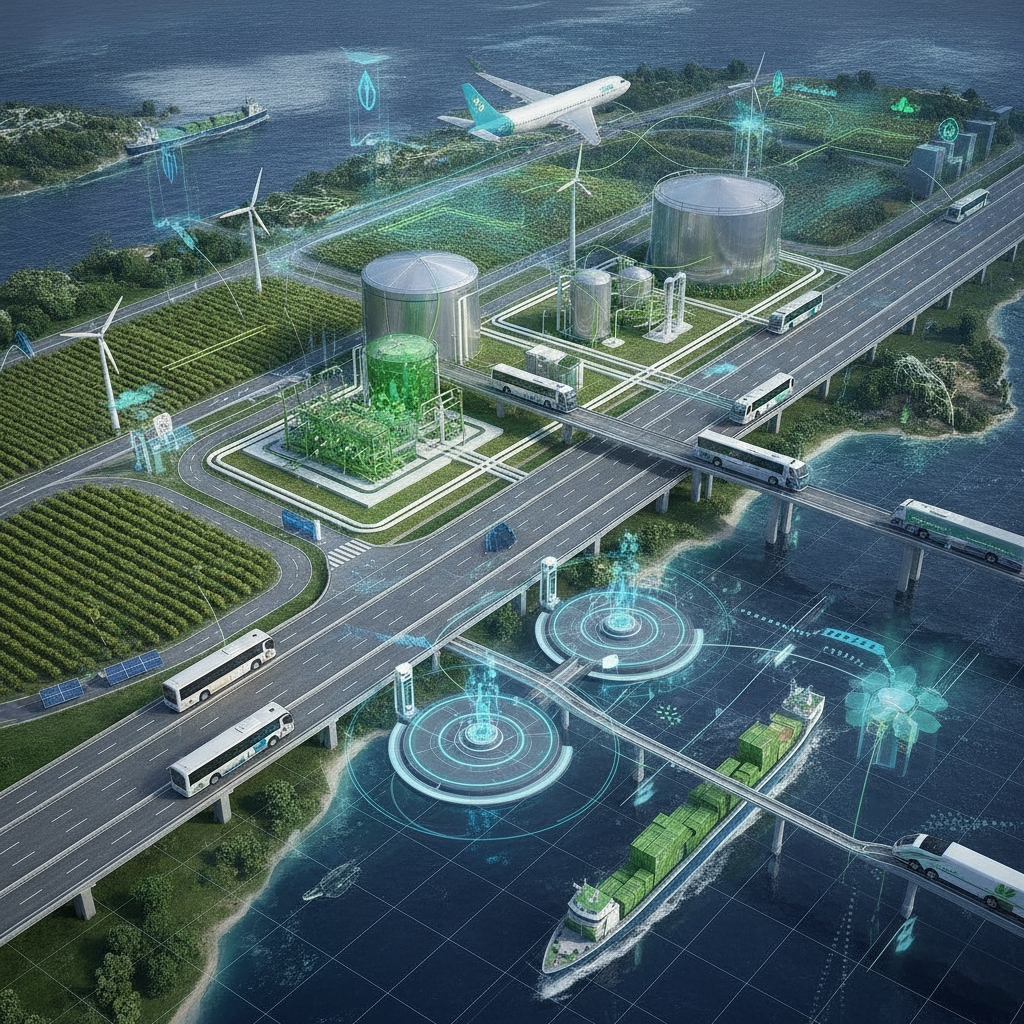
Biofuels are increasingly powering transport sectors by providing renewable alternatives for vehicles, aviation, and shipping. Their compatibility with existing engines and infrastructure makes them an attractive pathway toward decarbonizing mobility.
In road transport, biodiesel blends are widely adopted for buses and trucks, while ethanol supplements gasoline to reduce fossil fuel reliance. Aviation has started incorporating biojet fuels derived from algae and waste lipids, offering significant carbon savings for long-haul flights where electrification remains challenging.
Shipping is also exploring biofuel blends to meet stringent emission regulations. Biofuels help cut particulate matter, sulfur oxides, and carbon dioxide emissions, aligning maritime transport with sustainable energy goals.
While electric vehicles grow in prominence, biofuels remain essential for sectors where electrification hurdles persist, providing immediate emission reductions and supporting clean transport transitions.
Challenges and Opportunities in Scaling Biofuel Technologies
The widespread adoption of biofuels faces both significant challenges and promising opportunities.
Economic hurdles include costly feedstock cultivation, processing infrastructure, and competition with low-cost fossil fuels, which often require supportive policies to bridge the gap. Technical limitations arise from feedstock variability, conversion efficiency, and scalability of new technologies such as algae cultivation systems.
Policy and regulation in biofuels influence market viability through mandates, subsidies, and sustainability criteria. Ensuring robust frameworks that prioritize genuine emission reductions while avoiding unintended consequences like deforestation is vital.
On the opportunity side, advances in biotechnology, digital monitoring, and integrated biorefineries promise to enhance yields, lower costs, and diversify biofuel applications. Cross-sector partnerships and investment can accelerate commercialization and innovation, making sustainable biofuels a central pillar of the clean energy transition.
The Road Ahead: Policy, Investment, and Research Priorities
Effective policies focused on incentivizing sustainable production, establishing clear sustainability standards, and supporting R&D are crucial to unlocking biofuels’ full potential.
Investment in research is needed to improve biomass feedstock breeding, refine algae production, optimize bioconversion pathways, and drive down lifecycle emissions. Governments and industry must collaborate to align regulations that prevent market distortions and support emerging technologies.
Long-term, integrating biofuels within broader renewable energy strategies, including synergy with electrification and hydrogen, will strengthen energy security and climate goals. Public awareness and education efforts can also help build demand and trust around biofuel products.
Overall, strategic, evidence-based approaches combining science, policy, and finance promise to position biofuels as a vital contributor to a sustainable and low-carbon energy future.
Frequently Asked Questions
What are the main types of biofuels being developed today?
The primary biofuels under development include first-generation biofuels like ethanol and biodiesel from food crops, second-generation biofuels from non-food biomass such as agricultural residues, and advanced options like algae-based fuels and biojet fuels designed for aviation.
How do biofuels compare to fossil fuels in environmental impact?
Biofuels generally offer lower greenhouse gas emissions than fossil fuels when lifecycle emissions are considered. Advanced biofuels, especially those derived from waste and algae, can reduce carbon emissions by up to 90%, though impacts vary based on feedstock and production methods.
What role can biofuels play in achieving net-zero emissions goals?
Biofuels provide renewable, lower-carbon fuel options that can replace fossil fuels in hard-to-electrify sectors like aviation, shipping, and heavy transport. Combined with carbon capture and sustainable practices, they contribute significantly toward net-zero pathways.
Are biofuels compatible with existing transportation infrastructure?
Many biofuels, particularly biodiesel and ethanol blends, are compatible with current vehicle engines and fuel distribution networks, enabling easier adoption without costly modifications. However, some advanced biofuels may require specialized handling.
What are the biggest obstacles to widespread biofuel adoption?
Key challenges include feedstock availability, high production costs, technical scalability, competition with fossil fuels, and policy uncertainty. Addressing these requires coordinated innovation, investment, and supportive regulation.