

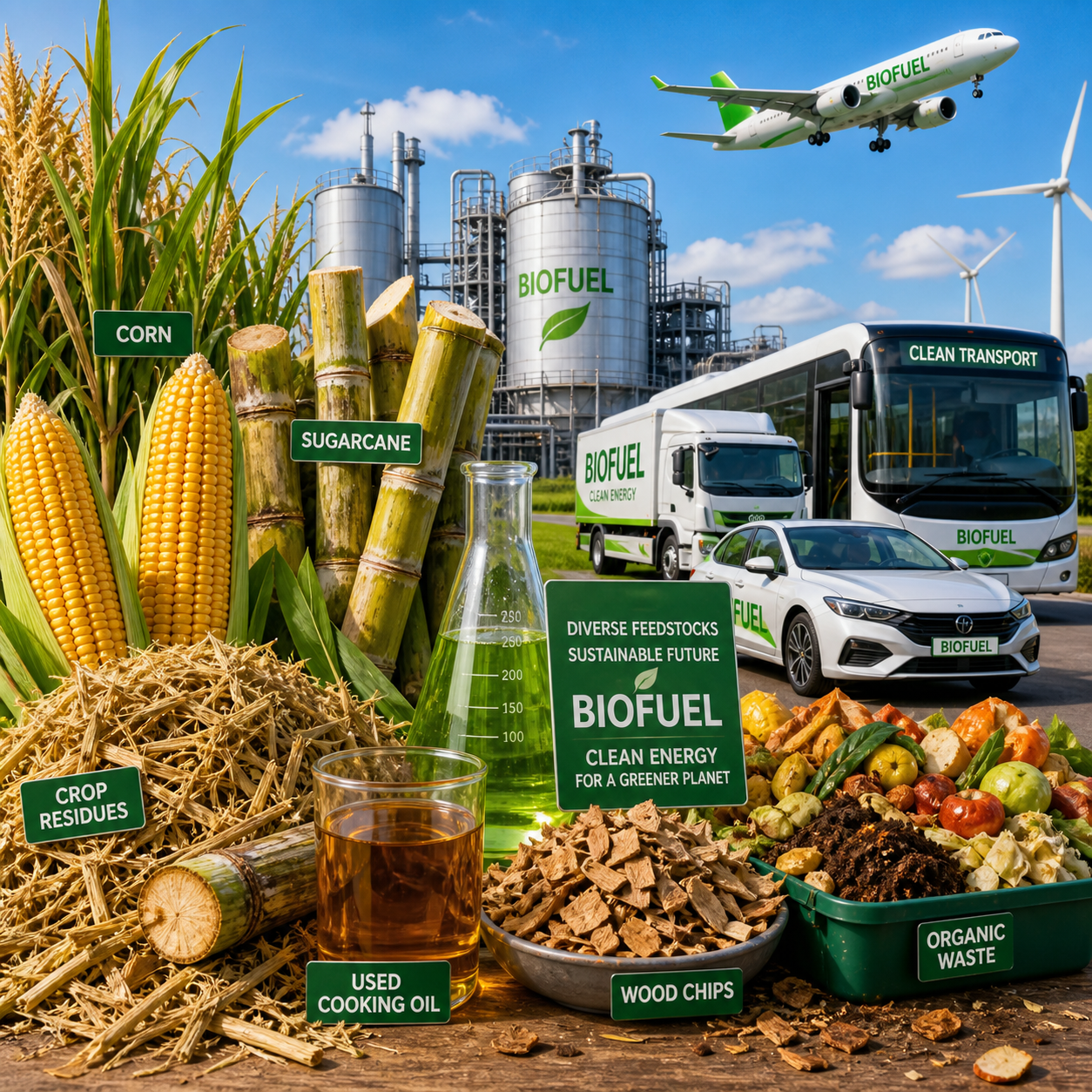

The Role of Algae in Next-Generation Biofuel Production
Introduction to Algae as a Biofuel Source
Algae biofuel is a renewable energy source derived from photosynthetic algae species and is emerging as a promising alternative to fossil fuels. Growing rapidly and capable of producing high lipid content, algae offer a sustainable foundation for next-generation biofuels.
Unlike traditional biofuel crops, algae do not require arable land or freshwater, making them highly scalable without competing with food production. Their ability to capture carbon dioxide through photosynthesis not only reduces greenhouse gases but also enhances overall sustainability.
As global energy demands rise alongside the urgent need to reduce carbon emissions, incorporating algae-based biofuels aligns closely with environmental and sustainability goals worldwide.
Environmental Benefits of Algae Biofuels
Algae biofuels significantly reduce carbon emissions and dependence on fossil fuels. Because algae photosynthesize, they capture atmospheric CO2 during growth, effectively contributing to carbon capture.
Compared to conventional fossil fuels, burning algae-derived biodiesel and bioethanol results in lower net carbon output since the CO2 released was recently absorbed by the algae. This cycle helps mitigate climate change by lowering greenhouse gas concentrations.
Moreover, algae cultivation can use wastewater or saline water, minimizing strain on freshwater resources. The high lipid content in microalgae translates to greater biofuel yield per acre than traditional crops, reducing land use pressure and associated habitat loss.
In essence, algae biofuels offer a renewable, carbon-neutral alternative that complements clean transportation efforts and advances sustainability goals.
Technologies Used in Algae Biofuel Production
Producing biofuels from algae involves innovative technologies for cultivation, harvesting, and conversion. Photobioreactors and open pond systems are key cultivation methods, designed to optimize photosynthesis and biomass growth.
Photobioreactors are closed systems that allow controlled light exposure and nutrient delivery to microalgae, enhancing growth efficiency while protecting cultures from contamination. Open ponds are more cost-effective but have challenges including contamination and limited control over conditions.
Harvesting algae biomass involves techniques like centrifugation, flocculation, and filtration to separate algal cells from water effectively. After harvesting, lipid extraction targets the oils within algae cells, crucial for biodiesel production.
Conversion technologies vary: transesterification converts extracted lipids into biodiesel, while fermentation processes convert algal carbohydrates into bioethanol. Advances in biotechnology, including genetic engineering, aim to improve algae strains for higher lipid yields and faster growth.
These technological innovations are essential for improving the efficiency and commercial viability of algae biofuels production.
Types of Biofuels Derived from Algae
Algae can be converted into several types of biofuels, each serving different energy needs. The most common are biodiesel and bioethanol, both sustainable alternatives to petroleum-based fuels.
Biodiesel is produced by extracting lipids from microalgae and chemically processing them, resulting in a fuel compatible with diesel engines. It offers high energy density and reduces particulate emissions.
Bioethanol is generated by fermenting carbohydrates found in algae. Though less energy-dense than biodiesel, bioethanol can be blended with gasoline and used in spark-ignition engines.
Macroalgae, or seaweed, can also be processed for biogas through anaerobic digestion, contributing to bioenergy production. Additionally, algae biomass has potential for producing green jet fuels and renewable diesel through advanced catalytic upgrading.
Understanding the distinctions between microalgae and macroalgae is vital, as their biochemical compositions determine the suitable biofuel conversion pathways and end products.
Challenges and Limitations of Algae Biofuel Production
Despite the promise, algae biofuel production faces several significant hurdles. High cultivation and harvesting costs remain primary challenges due to equipment, energy inputs, and processing complexities.
Scaling up from laboratory or pilot levels to commercial-scale operations requires overcoming resource demands, including nutrients, water, and sustainable land or water space. Additionally, lipid extraction and conversion processes can be energy-intensive, affecting the overall lifecycle energy balance.
Contamination risks in open pond systems, genetic stability of algae strains, and seasonal growth variability add operational uncertainties. Furthermore, integration into existing fuel infrastructure and economic competitiveness against cheap fossil fuels limit widespread adoption so far.
Addressing these limitations requires ongoing advancements in biotechnology, process optimization, and supportive policies.
Future Prospects and Innovations in Algae Biofuels
The future of algae biofuels looks promising due to emerging research and technological innovations. Synthetic biology is enabling the design of algae strains with enhanced lipid production, resilience, and growth rates.
Integrated biorefineries are being developed to utilize the entire algae biomass for multiple products—biofuels, animal feed, and valuable biochemicals—enhancing economic viability. Efforts to improve photobioreactor designs and reduce energy inputs aim to make production more cost-effective and scalable.
Partnerships between academia, industry, and governments are accelerating pilots and demonstrations targeting clean transportation fuels, particularly aviation and heavy-duty vehicles where electrification faces challenges.
While commercialization timelines remain uncertain, innovations in algae biofuel technologies present a critical pathway toward decarbonizing transport and meeting global sustainability commitments.
Algae Biofuels within the Sustainability and Clean Transport Movement
Algae biofuels contribute directly to sustainability goals by offering low-carbon renewable fuels that reduce fossil fuel dependence. Their integration supports clean transport by enabling cleaner diesel and jet fuel alternatives suited for current vehicle fleets.
Public awareness tours and educational campaigns highlight how algae fits into broader climate action strategies, emphasizing its carbon capture potential and minimal land impact. These efforts promote consumer understanding and policy support for bio-based sustainable energy solutions.
Advanced algae biofuels align with international commitments such as the Paris Agreement by targeting significant emissions reductions in the transport sector, which accounts for nearly a quarter of global CO2 emissions.
Thus, algae biofuels serve as a bridge between energy innovation and environmental responsibility in the shift to cleaner, sustainable transportation systems.
Frequently Asked Questions
How does algae-based biofuel compare to traditional biofuels?
Algae biofuels generally offer higher productivity, use less land, and have a better carbon footprint than traditional biofuels like corn ethanol or soybean biodiesel. They do not compete with food crops and can utilize non-arable land and wastewater, making them more sustainable in the long term.
What are the main species of algae used for biofuel?
Microalgae species such as Nannochloropsis, Chlorella, and Botryococcus braunii are favored for their high lipid content. Macroalgae, like kelp and other seaweeds, are also explored for biogas and bioethanol production.
Can algae biofuel production be scaled commercially?
Commercial scaling is underway but remains limited by high costs and resource inputs. Advances in cultivation technology, strain engineering, and integrated biorefineries are gradually improving economic feasibility for larger-scale operations.
What environmental impacts does algae cultivation have?
Cultivation can have low freshwater impact by using wastewater or saline water but requires nutrients like nitrogen and phosphorus that must be managed to prevent pollution. Land use is minimal compared to crop-based biofuels, reducing habitat disruption.
How close are algae biofuels to widespread adoption?
Algae biofuels are currently at a developmental and early commercial stage, with some pilot projects and niche applications in aviation and shipping. Mainstream adoption depends on overcoming cost, scalability, and policy support challenges over the next decade.