



Top Licensed Online Casinos in the European Union in 2026: What to Look for Before You Play
I've been following the iGaming space for years now, and the shift I've watched happen over that time is genuinely striking. We're deep into 2026, and the EU's online casino market looks nothing like it did even three years ago — tighter regulation, sharper player protections, and a lot more accountability from operators. But here's the catch: there are still thousands of platforms fighting for your attention and your deposit, and not all of them deserve either. Picking a casino isn't about chasing the most animated lobby or the biggest bonus headline. It's about knowing your money and your data are actually safe. So let me walk you through exactly what to check before you play anywhere this year.
Why Licensing Matters for EU Online Casino Players in 2026
I'll say it plainly: playing at an unlicensed casino is roughly equivalent to handing your wallet to a stranger in a dark alley and hoping for the best. Inside the European Union, a valid gambling license isn't a nice-to-have — it's the foundation everything else is built on. In 2026, that license means the operator is legally required to run clean games, protect your funds from fraud, and keep player money separate from their own operating cash.
That last part matters more than people realize. When you confirm a casino holds a real license, you're confirming there are legal mechanisms in place to make sure you actually get paid when you win. The EU's regulatory environment has grown noticeably more player-focused over recent years. A recognized license is the absolute minimum bar for any platform I'd point someone toward.
Key EU Gambling Regulatory Bodies You Should Know
Not all licenses carry the same weight — not even close. Here are the regulators worth recognizing when you're scanning the footer of a casino site:
- Malta Gaming Authority (MGA): Still the gold standard for EU-facing operators. An MGA license signals strict auditing processes and a real player dispute resolution system that actually works.
- National Regulators: Sweden's Spelinspektionen, Germany's GGL, and Poland's own regulatory body each enforce specific local laws and advertising standards. These aren't rubber stamps — they carry real teeth.
- UK Gambling Commission (UKGC): The UK isn't in the EU anymore, but a UKGC license sitting alongside an EU license is a strong signal that an operator takes compliance seriously on a global level.
What to Look for Before You Play at Any EU Casino
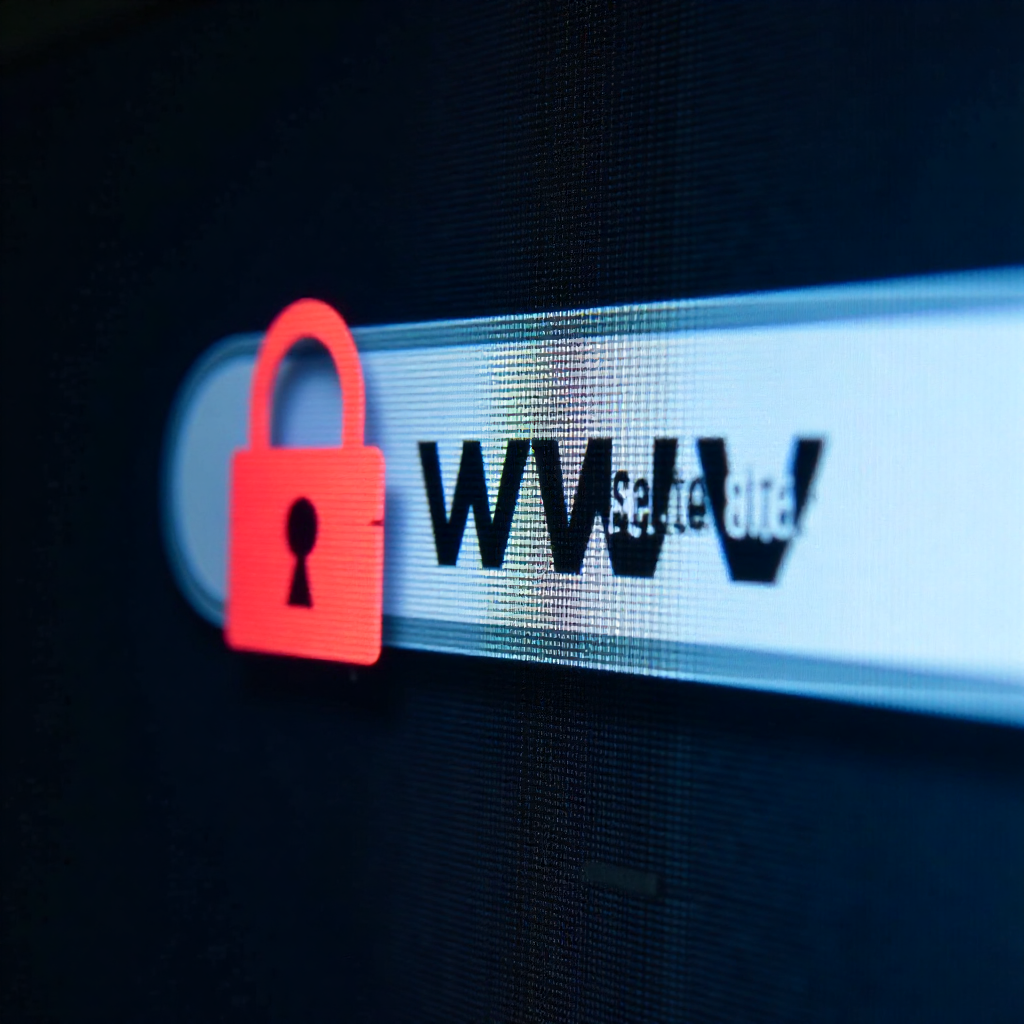
Before I ever hit 'Sign Up,' I run through a checklist that's become second nature at this point. First thing: I verify the license number directly on the regulator's official website — not just glance at the logo. Then I check for SSL encryption (the padlock icon in your browser bar), which also ties into GDPR compliance and how a site handles your personal data. Beyond that, a casino I'd actually trust in 2026 will have its responsible gambling tools front and center, bonus terms that don't require a law degree to decode, and payment methods you've actually heard of.
Red Flags That Signal an Unlicensed or Unsafe Platform
Knowing what to avoid is honestly just as valuable as knowing what to look for. Walk away fast if you spot any of these:
- No visible license number, or a logo at the bottom that links nowhere — or worse, links to a fake page.
- Zero responsible gambling features. No deposit limits, no self-exclusion. Nothing.
- Withdrawal policies that are vague, buried in jargon, or simply absent.
- Customer support that's either unreachable or hands everything off to a bot that can't answer a real question.
Top Licensed Online Casinos in the EU Worth Considering in 2026
When it comes to platforms that actually check all those boxes, a few names keep coming up consistently. One that's crossed my radar more than once this year is Magius kasyno. It's available to players in Poland and across the broader EU, and it's a solid example of what a modern, properly licensed operator should look like — real credentials, a wide selection of fair-tested games from reputable providers, and genuine attention to player security.
Beyond Magius, there are other platforms operating under MGA licenses and strict national frameworks that have held their position in the 2026 market by doing the basics well: localized support, fast payouts, and operations that don't hide behind fine print. Just make sure whatever platform you pick actually aligns with your specific country's requirements — regional rules vary more than people expect.
Bonuses and Promotions — How to Read the Fine Print
Everyone likes a welcome bonus or a round of free spins. That part's obvious. But in 2026, any player who's been around for a while knows the headline number is rarely the whole story. The real test is what's buried underneath it.
Start with wagering requirements — anything above 40x is a steep climb, and I'd think carefully before committing to it. Then check game contribution rates: slots typically count for 100%, but table games might only contribute 10% toward clearing the requirement. Don't overlook time limits on bonus clearing, and pay attention to any caps on how much you can actually withdraw from bonus winnings. A legitimate EU casino makes all of this easy to find. If you're hunting through FAQ pages and sub-menus just to find the terms, that's already a problem.
Safe Payment Methods Accepted at EU Casinos in 2026
Moving money in and out should be straightforward and secure — full stop. The top licensed EU casinos in 2026 cover a solid range of payment options. Bank transfers and credit/debit cards like Visa and Mastercard are still the baseline. E-wallets — PayPal, Skrill, Neteller — remain popular for good reason: they're fast and add a useful layer of privacy between your bank and the casino.
Prepaid cards like Paysafecard are worth considering if you want tighter budget control. And regulated crypto options are showing up more frequently where local laws allow it. When I'm reviewing any casino, I look at transaction speeds, whether there are hidden fees lurking anywhere, and how their KYC verification process works for withdrawals. Fast, fee-free payouts are what the better operators offer — and at this point, it's not an unreasonable thing to expect.
Responsible Gambling Tools Every Licensed EU Casino Must Offer
This one's non-negotiable for me. Gambling is entertainment — it's not a savings plan, and it's not a way out of a rough month. EU regulators in 2026 require licensed casinos to provide real, functional player protection tools. That means deposit limits — daily, weekly, monthly — accessible directly from your account dashboard without needing to contact support.
But go further than that. Look for loss limits, session time reminders, cooling-off periods, and self-exclusion options that actually work. A casino that takes this seriously will also link prominently to national problem gambling support organizations. If those tools feel like an afterthought — hidden in a sub-menu, stripped of functionality — that casino doesn't deserve your business. Simple as that.
Final Verdict — Choosing the Right Licensed Casino for You in 2026
Picking a top licensed online casino in the EU in 2026 doesn't have to feel like a gamble in itself. The framework is actually pretty clear: check the license first, read the bonus terms carefully, confirm the payment methods work for your region, and make sure the responsible gambling tools are real and accessible. Do those four things and you've already filtered out most of the bad actors.
Do your own research — I can't stress that enough. Go back through the checklist, keep an eye on the red flags, and lean toward well-reviewed operators like the ones covered here. The EU's regulatory environment is getting stronger, not weaker, and that's genuinely good news for players. Stick to licensed platforms, play smart, and you're in decent hands.