
Government Policies Promoting Biofuels and Clean Transport Worldwide

Governments are using a combination of regulation, financial support, infrastructure investment, and carbon policy to reduce transport emissions. The policy mix increasingly connects biofuels, electric vehicles, public transit, sustainable aviation fuel, and alternative-fuel infrastructure rather than relying on one technology alone.
Why Governments Are Supporting Biofuels and Clean Transport
Governments support biofuels and clean transport to cut greenhouse-gas emissions, improve air quality, strengthen energy security, and develop domestic industries. Transport policy also addresses fuel-price exposure, public health, employment, and long-term competitiveness.
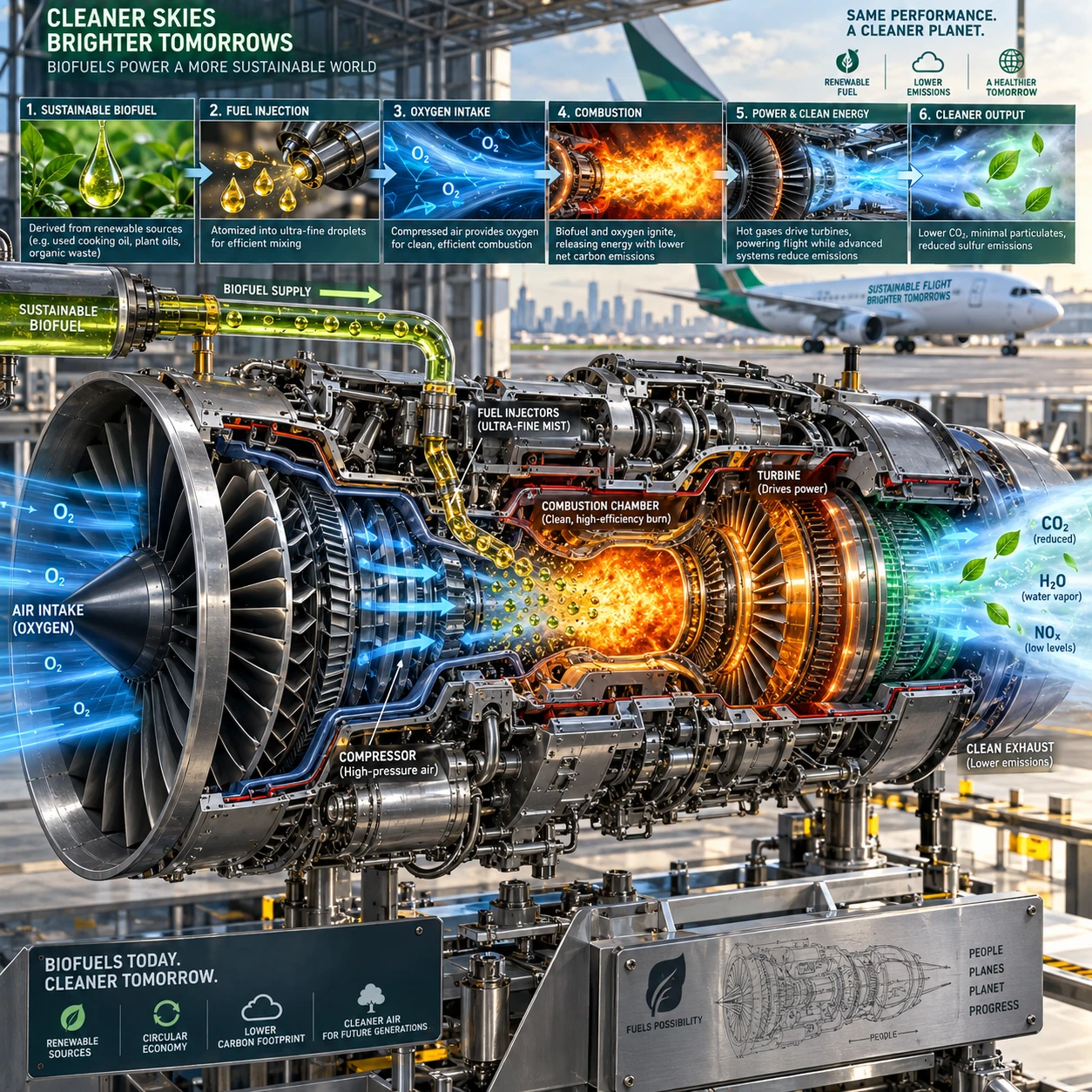
Road, aviation, shipping, and public transport have different technical needs. Battery-electric vehicles can be highly effective for many passenger cars and urban buses, while biofuels may help reduce emissions from existing engines, heavy vehicles, aviation, and marine transport. This division explains why many national strategies combine electrification with renewable fuels.
- Climate policy: Lowering lifecycle emissions from fuel production, vehicles, and energy use.
- Air quality: Reducing pollutants such as nitrogen oxides and particulate matter, especially in cities.
- Energy security: Diversifying supply through domestic electricity, sustainable biomass, renewable hydrogen, and alternative fuels.
- Industrial development: Creating markets for battery manufacturing, biorefineries, charging equipment, and clean-fuel services.
- Economic resilience: Reducing exposure to imported oil and volatile international fuel prices.
These goals can conflict. A fuel that supports domestic agriculture may raise land-use concerns, while a rapid shift to electric vehicles can increase demand for grid capacity, critical minerals, and affordable charging. Effective policy therefore measures full-system outcomes rather than tailpipe emissions alone.
Major Policy Tools for Promoting Biofuels
Governments promote biofuels mainly through biofuel blending mandates, renewable fuel standards, tax incentives, producer support, and lifecycle emissions rules. These tools create demand, reduce investment risk, and guide producers toward lower-carbon feedstocks.
Mandates, standards, and incentives
A biofuel blending mandate requires a minimum share of ethanol, biodiesel, renewable diesel, or another approved fuel in the transport fuel supply. A renewable fuel standard sets obligations for fuel suppliers, often with compliance credits or certificates that can be traded. Mandates provide market certainty, but they can become inefficient if supply is limited or if the required fuel has weak environmental performance.
Tax credits, grants, loan guarantees, and payments to producers lower the cost of building biorefineries and upgrading distribution systems. Direct incentives can accelerate early investment, although they place a cost on public budgets and may support projects that would have proceeded without assistance.
Low-carbon fuel standards use a different approach. They set a declining carbon-intensity target for transport fuels, commonly measured across the fuel lifecycle. Suppliers can comply by selling lower-carbon fuels or purchasing credits. This rewards improvement across different technologies, including advanced biofuels, renewable electricity, and renewable natural gas, but accurate accounting is essential.
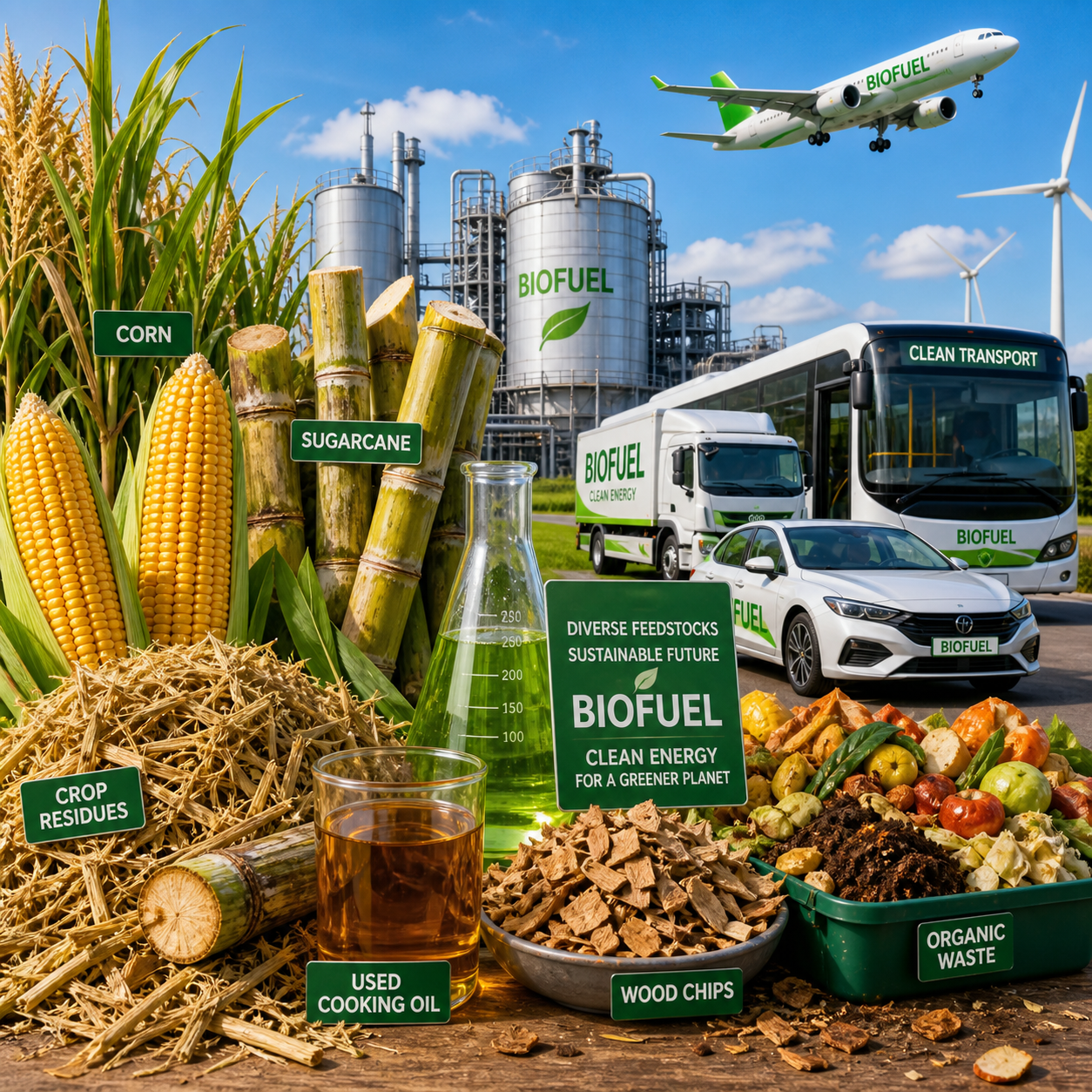
Sustainability requirements increasingly cover feedstock sourcing, land use, water consumption, biodiversity, labor conditions, and indirect emissions. Advanced biofuels made from waste materials, residues, or non-food feedstocks may receive stronger support than fuels associated with deforestation or substantial land-use change.
Authoritative policy resources, including the U.S. Environmental Protection Agency’s Renewable Fuel Standard program, illustrate how fuel obligations can be linked to renewable categories and compliance mechanisms.
Policies Accelerating Electric and Zero-Emission Transport
Governments accelerate electric and zero-emission transport through purchase incentives, tax credits, zero-emission vehicle mandates, vehicle emissions standards, fleet rules, and public procurement. The strongest results usually come when financial support is paired with predictable performance requirements.
Consumer incentives reduce the upfront price of battery-electric vehicles, plug-in hybrids, electric vans, and electric buses. Tax credits may apply to buyers, manufacturers, or charging equipment. Because incentives can favor households that can already afford a new vehicle, some governments also support used electric vehicles, low-income buyers, commercial fleets, and public transport.
Zero-emission vehicle mandates require manufacturers to supply a defined share of vehicles with zero tailpipe emissions. Vehicle emissions standards set limits on carbon dioxide or other pollutants across a manufacturer’s fleet. The two approaches overlap, but they create different pressures: a mandate specifies technology eligibility, while an emissions standard can allow manufacturers to choose the most practical compliance route.
Public-sector fleet policies can generate early demand for electric buses, municipal vans, refuse trucks, and government cars. Cities may also use low-emission zones, parking benefits, bus-lane access, or congestion charges to influence vehicle choice. These measures work best when residents have reliable alternatives and charging is available beyond private garages.
Electrification is not automatically emissions-free. Its climate benefit depends on electricity generation, vehicle size, battery manufacturing, driving patterns, and grid management. Policy design should therefore connect vehicle standards with renewable power, efficient transport planning, battery recycling, and public transit.
Building the Infrastructure for Cleaner Mobility
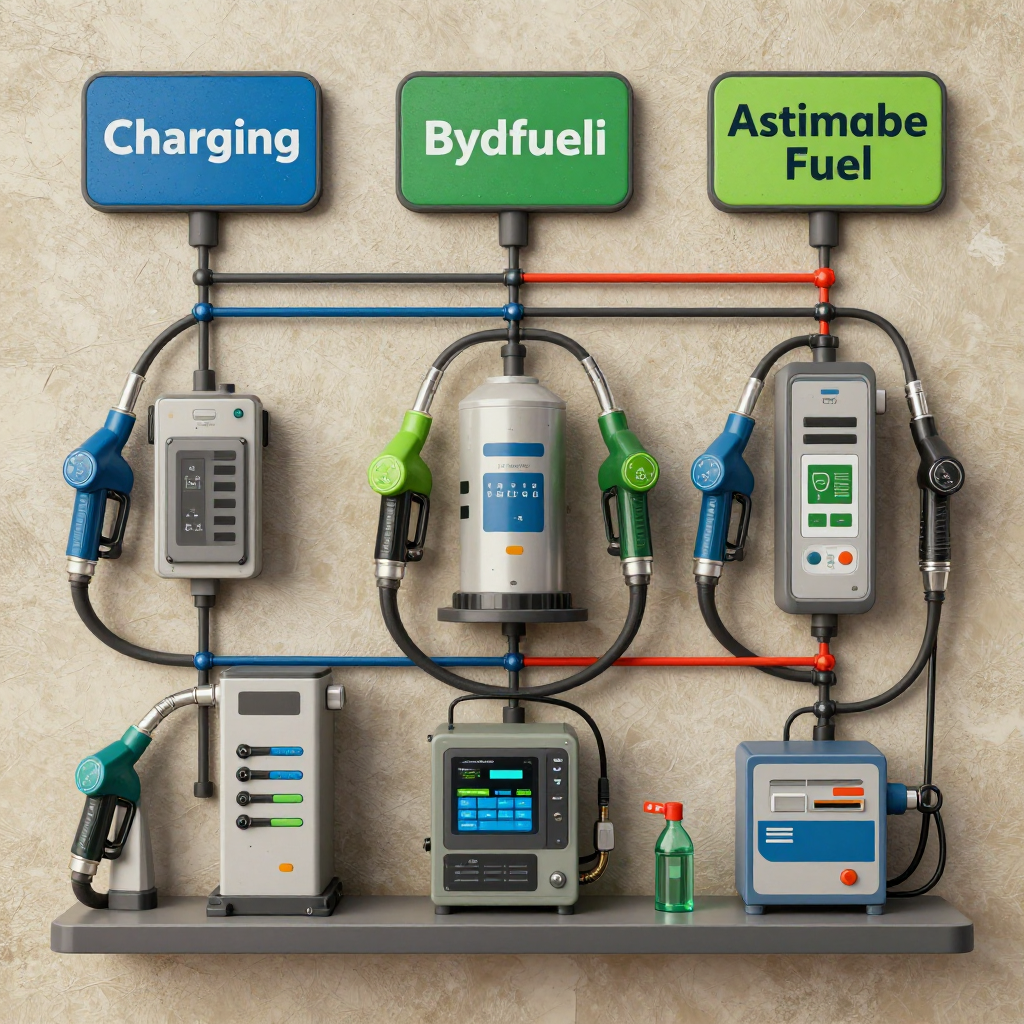
Infrastructure policy makes clean transport practical by funding charging networks, hydrogen refuelling, biofuel distribution, sustainable aviation fuel supply chains, and multimodal transport. Technology adoption usually stalls when vehicles or fuels arrive before the supporting network.
Charging programs may fund highway fast chargers, workplace equipment, apartment-building installations, depot charging, and rural access. Public investment can address locations that private operators consider too risky, while technical standards improve payment access, connector compatibility, reliability, and data reporting.
Hydrogen policy focuses on production, storage, transport, and refuelling stations. It may support fuel-cell buses, heavy trucks, shipping, or industrial users. Hydrogen stations remain expensive and require high utilization, so coordinated fleet deployment matters more than building isolated sites.
Biofuel infrastructure includes blending terminals, storage tanks, pipelines, retail pumps, rail connections, and quality-control systems. Sustainable aviation fuel needs additional attention because airports require reliable fuel certification, dedicated supply contracts, and compatibility with aircraft and airport operations. Policies can combine production credits with airline obligations or public procurement.
Cleaner mobility also depends on rail, walking, cycling, bus rapid transit, and integrated ticketing. A transport policy that funds only vehicles can miss lower-cost emissions reductions from shifting trips to efficient shared modes.
Regional Approaches to Clean-Transport Policy
Regional approaches differ because countries have different grids, vehicle markets, biomass resources, industrial capabilities, and transport patterns. Most combine mandates, incentives, emissions rules, and public investment, but the balance varies over time.
In parts of Europe, climate legislation, vehicle CO2 standards, renewable-energy requirements, and alternative-fuel infrastructure rules operate together. Policy attention often extends from road transport to aviation and shipping, with increasing emphasis on lifecycle accounting and cross-border consistency.
North American programs commonly combine renewable fuel standards, low-carbon fuel standards, consumer and commercial vehicle incentives, federal or regional emissions rules, and infrastructure grants. Subnational governments may move faster than national programs, creating both policy innovation and compliance complexity.
Several Asian economies use industrial policy, urban air-quality rules, public procurement, and manufacturing support to expand electric cars, buses, two-wheelers, and battery supply chains. Elsewhere, biofuel blending may provide a more immediate route to reduce petroleum demand because existing vehicles and fuel networks remain dominant.
Emerging markets often face a sharper affordability constraint. Used vehicles, motorcycles, buses, and freight fleets can matter more than sales of new passenger cars. Practical policy may therefore prioritize efficient public transport, cleaner fuels, fleet renewal, and targeted charging rather than copying a high-income country’s incentive model.
The useful comparison is not which region has the single best policy. It is whether a policy matches local infrastructure, incomes, feedstocks, electricity, and transport demand while maintaining credible environmental safeguards.
Policy Challenges and Trade-Offs
The main challenges are affordability, infrastructure gaps, sustainability risks, policy uncertainty, and differences between transport technologies. Clean-transport policy succeeds when it measures these trade-offs openly rather than treating every low-carbon option as interchangeable.
- Consumer affordability: Incentives can reduce purchase prices, but their cost may fall on taxpayers or electricity customers. Higher vehicle prices can also slow fleet turnover.
- Feedstock sustainability: Biofuels can compete with food production, water resources, or ecosystems if sourcing rules are weak. Lifecycle analysis must include fertilizer, processing, transport, and land-use change.
- Infrastructure inequality: Home charging benefits households with private parking, while renters, rural drivers, and small businesses may need public or workplace solutions.
- Policy uncertainty: Frequent changes to mandates, tax credits, or emissions rules can delay investment and increase financing costs.
- Technology differences: Battery vehicles, biofuels, hydrogen, rail, and sustainable aviation fuel solve different problems. A road passenger vehicle strategy cannot be copied directly into aviation or shipping.
Two common policy mistakes deserve special attention. The first is counting only tailpipe emissions, which can exaggerate the benefit of a fuel produced with carbon-intensive energy. The correction is transparent lifecycle accounting. The second is announcing vehicle targets without funding grids, depots, refuelling networks, workforce training, and consumer protection. The correction is to treat infrastructure as part of the policy, not a later project.
What the Future of Biofuel and Clean-Transport Policy May Look Like
Future policy will likely combine stronger lifecycle emissions accounting, technology-neutral performance rules, advanced biofuels, electrification, sustainable aviation fuel, and coordinated international action. Governments will increasingly judge fuels and vehicles by verified system-wide emissions, resource use, and social outcomes.
Advanced biofuels may receive more targeted support as policymakers distinguish waste-based and residue-based pathways from higher-risk feedstocks. Aviation and long-distance shipping will remain important areas for renewable fuels because direct electrification is technically difficult for many long-range operations.
Electric transport policy will mature from purchase subsidies toward charging reliability, grid integration, battery durability, recycling, and equitable access. Smart charging can help align vehicle demand with renewable electricity, while fleet and depot planning can reduce pressure on local networks.
Carbon pricing may complement mandates and standards by making high-emission fuels more expensive, although price effects require careful design to protect vulnerable households and avoid shifting activity to less regulated markets. International coordination can also improve fuel certification, vehicle standards, sustainable aviation fuel accounting, and cross-border trade.
The emerging policy framework can be summarized as measure, match, and support: measure full lifecycle impacts, match each technology to the transport task it serves best, and support the infrastructure and workers needed for a fair transition. Biofuels and electrification will often work alongside public transit, efficiency, hydrogen, and cleaner logistics.
Frequently Asked Questions
What are biofuel blending mandates?
Biofuel blending mandates require fuel suppliers to include a specified amount of ethanol, biodiesel, renewable diesel, or another approved biofuel in the transport fuel supply. They create demand but need sustainability and supply safeguards.
How do governments encourage electric-vehicle adoption?
Governments use purchase rebates, tax credits, charging grants, fleet procurement, zero-emission vehicle mandates, emissions standards, parking policies, and low-emission zones. Combining measures can address both vehicle cost and practical usability.
What is a low-carbon fuel standard?
A low-carbon fuel standard sets a target for the average lifecycle carbon intensity of transport fuel. Suppliers can lower emissions through cleaner fuels or trade compliance credits, depending on the program’s rules.
How do clean-transport policies address sustainability?
They can require lifecycle emissions reporting, sustainable feedstock certification, land-use protections, battery recycling, renewable electricity sourcing, and safeguards for air quality, water, labor, and biodiversity.
Which transport sectors are most difficult to decarbonize?
Long-distance aviation, ocean shipping, heavy-duty trucking, and some industrial transport are especially challenging because they require high energy density, long range, rapid refuelling, or equipment that is difficult to replace. Advanced biofuels, sustainable aviation fuel, hydrogen, efficiency, and operational changes may all contribute.