



How to Make Your Own Biofuel at Home: A DIY Guide
Making biofuel at home can sound like a straightforward way to turn kitchen waste into transport fuel. In practice, home production usually means biodiesel made from vegetable oil, and it involves hazardous chemicals, controlled processing, and fuel-quality checks. A small batch can be an educational project, but it is not automatically safe, legal, economical, or suitable for your vehicle.
What “biofuel” means—and what you can realistically make at home
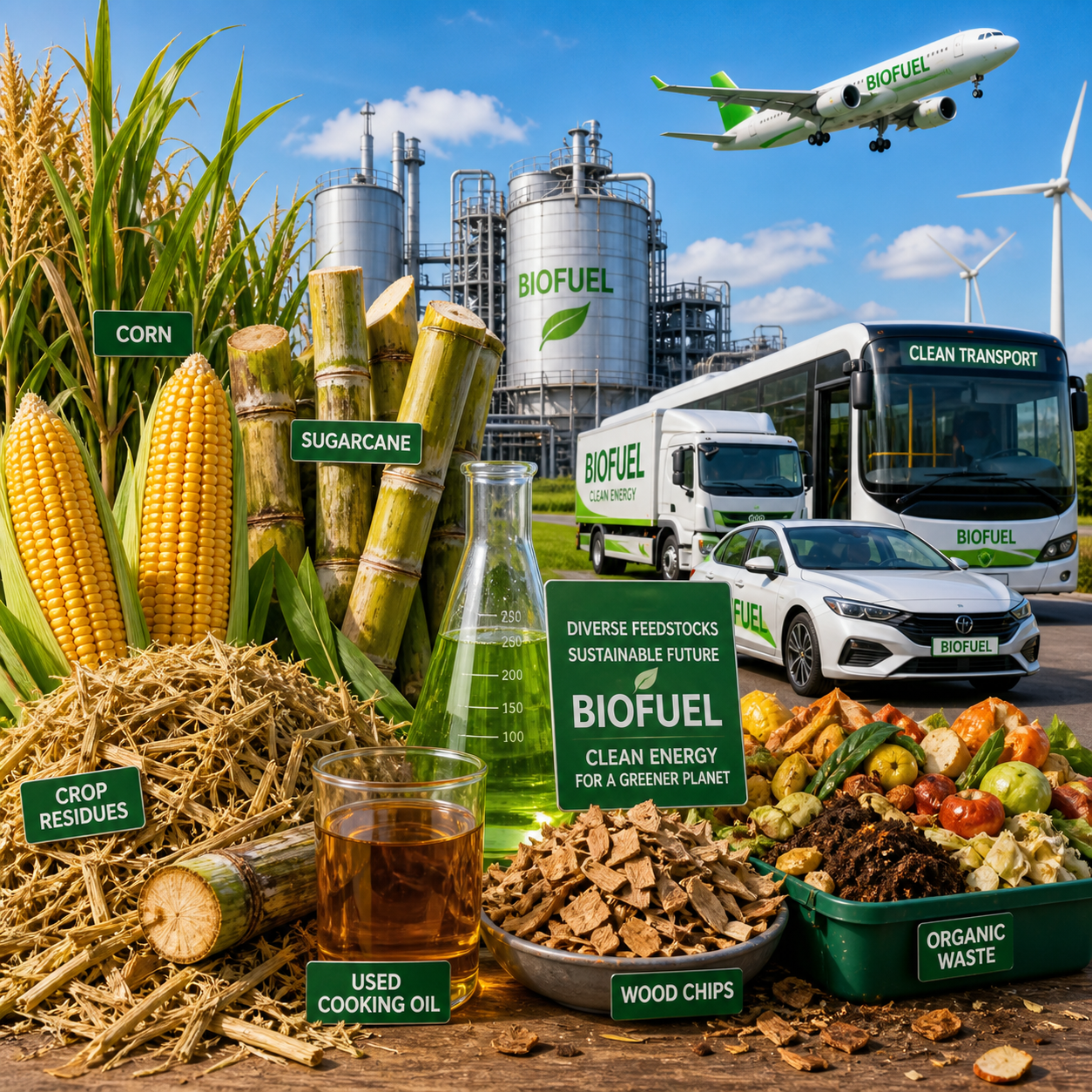
Biofuel is fuel made from biological material, but the term covers several different products. For a small home project, the fuel most often discussed is biodiesel, which is made by chemically processing oils or fats for use in some diesel engines.
Biodiesel differs from raw or waste vegetable oil, ethanol, and biogas. These fuels require different feedstocks, equipment, and compatible engines or appliances. Pouring filtered cooking oil straight into a standard diesel vehicle is not the same as making biodiesel; unprocessed oil can cause deposits, poor combustion, and fuel-system problems.
The central chemistry is transesterification: oil reacts with an alcohol, commonly methanol, in the presence of a catalyst. This produces biodiesel and a by-product, usually glycerol-containing material. The reaction may sound simple, but feedstock quality, process control, separation, washing or other purification, and drying all affect the finished fuel.
For a home producer, the realistic goal is learning what the process requires, not assuming every batch will meet a fuel standard. If you cannot set up a suitable workspace, manage chemical hazards, and arrange meaningful fuel testing, collecting used oil for a qualified processor is the more responsible option.
Choose a feedstock and check whether it’s suitable
Used cooking oil can be a biodiesel feedstock if it is properly assessed and prepared. Its condition matters: water, food debris, and changing levels of free fatty acids can make processing less predictable and reduce the quality of the resulting fuel.
Start by confirming what the oil is and how it has been used. Consistent, traceable vegetable oil is easier to evaluate than a mixed container of unknown oils and fats. Oil that contains animal fat, has been overheated, or has been mixed with cleaning products may need specialized assessment or may be unsuitable for a beginner project.
Food particles should be removed through appropriate mechanical filtration. Water is a separate concern; it can interfere with processing and contribute to separation or quality problems. Settling and careful separation may help identify visible water and solids, but appearance alone cannot certify that oil is dry or suitable. Do not treat an improvised check as proof of feedstock quality.
- Keep batches traceable: record the source, type, and approximate age of each oil collection.
- Reject unknown contamination: do not process oil that may contain detergents, solvents, or other chemicals.
- Plan for variability: restaurant waste oil can differ from one collection to the next, so a process that worked once may not work identically again.
Feedstock preparation takes time, and accepting lower-cost waste oil can mean accepting more testing and more process uncertainty. Never collect oil without the owner’s permission or pour leftover oil down a drain.
Equipment, materials, and safety essentials
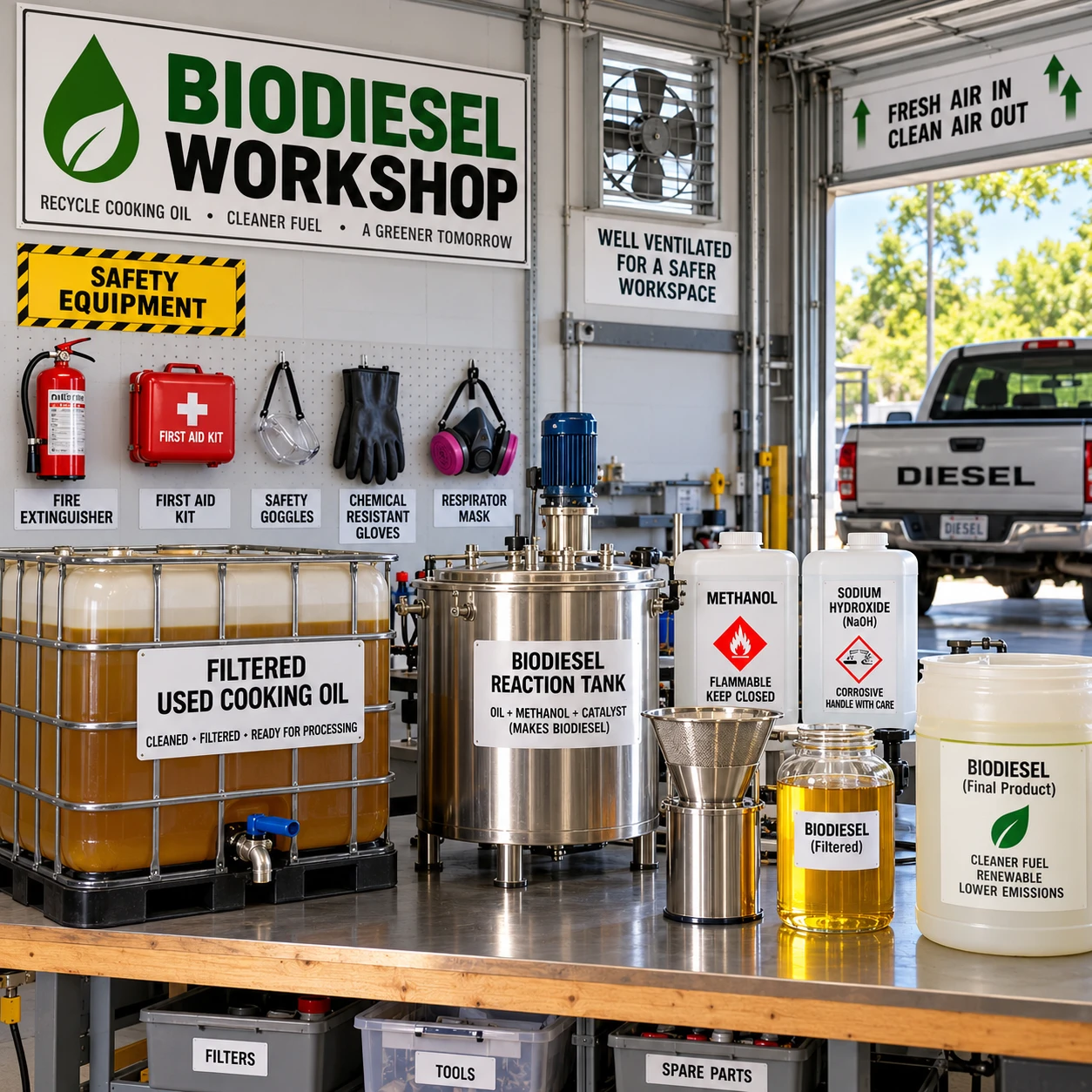
Home biodiesel production needs dedicated, chemically compatible processing and storage equipment, good ventilation, and appropriate personal protective equipment (PPE). It is not a casual kitchen activity: methanol is toxic and highly flammable, while catalysts such as sodium hydroxide or potassium hydroxide are corrosive.
A typical setup may involve a controlled, enclosed processing vessel, suitable transfer equipment, temperature monitoring, filtration, and containers clearly reserved for fuel or process materials. The exact equipment depends on the method and local requirements. Household cookware, drink bottles, and equipment that could later contact food are not appropriate substitutes.
Before handling any chemical, read its safety data sheet and follow the supplier’s storage, handling, and disposal instructions. Work only in a location with suitable ventilation and fire precautions, away from ignition sources and children, pets, and living areas. PPE should be selected for the specific chemical and task; ordinary clothing or thin household gloves may not provide adequate protection. Eye protection and chemical-resistant gloves are commonly important, but they do not replace proper containment and training.
Do not mix chemicals in an occupied home, use an open flame, or rely on odor to detect exposure. Keep emergency information accessible and know how to respond to a spill or exposure before work begins. If you cannot establish a safe workspace and follow applicable fire, chemical, and waste rules, do not proceed.
The biodiesel-making process, at a high level
At a high level, biodiesel production involves preparing the oil, carrying out a controlled reaction, separating by-products, and cleaning and drying the fuel. These stages are not a guarantee of a safe or finished product; they require suitable equipment, process controls, and quality checks.
- Prepare and assess the oil. Filter out food debris and assess whether the feedstock contains water or other contaminants. Poorly prepared oil can undermine later steps.
- Process the feedstock. In a controlled system, oil reacts with methanol and a catalyst through transesterification. Chemical quantities and operating conditions depend on the feedstock and validated method; guessing is unsafe and can produce an unusable batch.
- Separate the by-product. After processing, the mixture needs time and appropriate handling to separate biodiesel from glycerol-rich material and other residues. This by-product may also contain hazardous chemicals and should not be poured down a drain or treated as harmless waste.
- Clean and dry the fuel. Residual catalyst, alcohol, soap, water, and other contaminants can damage an engine or fuel system. A clear-looking liquid is not proof that purification is complete.
Do not use a recipe from an unverified source as a substitute for training, chemical-safety guidance, or a tested process. A small batch can still create fire, exposure, and waste-disposal risks. The most important measure of success is verified fuel quality, not whether a reaction appears to have occurred.
Test, store, and use fuel responsibly
Homemade biodiesel should be tested, stored in clearly labeled compatible containers, and used only after checking local rules and diesel-engine compatibility. A batch that looks clean or runs in one engine is not necessarily safe for another vehicle or compliant with fuel requirements.
Fuel quality can involve properties that are difficult to assess at home, including water and sediment, residual contaminants, and compliance with applicable fuel specifications. For an engine or vehicle where reliability matters, use an appropriate laboratory or qualified fuel-testing service. Avoid treating a simple jar test or a brief engine trial as certification.
Before using biodiesel, check the vehicle manufacturer’s guidance, warranty terms, and any applicable emissions or fuel rules. Compatibility can depend on the biodiesel blend, engine design, fuel-system materials, climate, and fuel condition. Older or modified diesel equipment may behave differently, but that does not make an untested batch a safe choice. Choosing biodiesel for renewable content means accepting that compatibility and maintenance requirements can vary.
For storage, use suitable, sealed, clearly labeled containers and follow local fire and chemical-storage rules. Keep fuel away from heat, flames, drains, and food or drinking-water containers. Record the batch date and source, keep it separate from conventional diesel, and do not store more than local rules allow. If the fuel becomes cloudy, develops sediment, or has an unusual appearance or odor, do not assume it remains usable; seek qualified advice instead of putting it in a vehicle.
Rules vary by location and can cover producing fuel, storing methanol, handling waste, tax, and fuel use. In the United States, the U.S. Environmental Protection Agency’s Renewable Fuel Standard provides information on federal fuel policy, but it does not replace state and local requirements. Check the rules that apply where you live before making or storing fuel.
Is DIY biodiesel worth it? Safer alternatives to consider
DIY biodiesel may suit a trained person with a compliant workspace, reliable feedstock, testing access, and a genuine interest in the process. For many households, the time, chemical hazards, equipment, and uncertain fuel quality make professional recycling a better choice.
A practical decision filter is **Feedstock, Facility, Fuel, and Fit**: Can you trace and prepare the feedstock? Do you have a suitable facility and safety plan? Can you verify the resulting fuel? Does your engine and local law permit its use? If any answer is no, do not put homemade fuel into a vehicle.
Collecting used cooking oil for a qualified biodiesel producer is a lower-risk way to support waste-oil recycling without handling methanol or caustic catalyst at home. Check municipal recycling guidance or ask local restaurants and collection services about approved drop-off options. Depending on your transport needs, commercially produced biodiesel that meets relevant standards, public transit, cycling, or an efficient vehicle may offer a more dependable route to lower-impact travel.
Common questions
Can you make biodiesel from used cooking oil? Yes, used cooking oil can be a feedstock, but it must be assessed and prepared, and the finished fuel needs proper purification and testing.
Is homemade biodiesel safe for any diesel vehicle? No. Engine and warranty compatibility vary, and untested fuel can damage fuel-system components. Check the manufacturer’s guidance and the fuel’s quality before use.
What PPE and workspace are needed? Requirements depend on the chemicals and process. Methanol and corrosive catalysts require a properly ventilated, controlled workspace, chemical-compatible PPE, fire precautions, and access to safety information. A kitchen or occupied living area is unsuitable.
Do local rules restrict home biofuel production or storage? They may. Check local requirements for chemical storage, fire safety, waste disposal, fuel production, and vehicle use before starting.