


The Environmental Benefits of Switching to Biofuel-Powered Fleets

For a fleet operator, changing fuels can be a practical way to cut transport-related environmental impacts without replacing every vehicle at once. But the benefits of biofuel-powered fleets depend on more than the fuel label: fuel type, feedstock sourcing, production methods, vehicle compatibility, and local air-quality conditions all matter.
Assessing the full picture means looking beyond tailpipe pollution. Lifecycle greenhouse gas emissions, land and resource use, and day-to-day operating requirements help determine whether a particular biofuel is a sound step toward fleet decarbonization.
What Counts as a Biofuel-Powered Fleet?
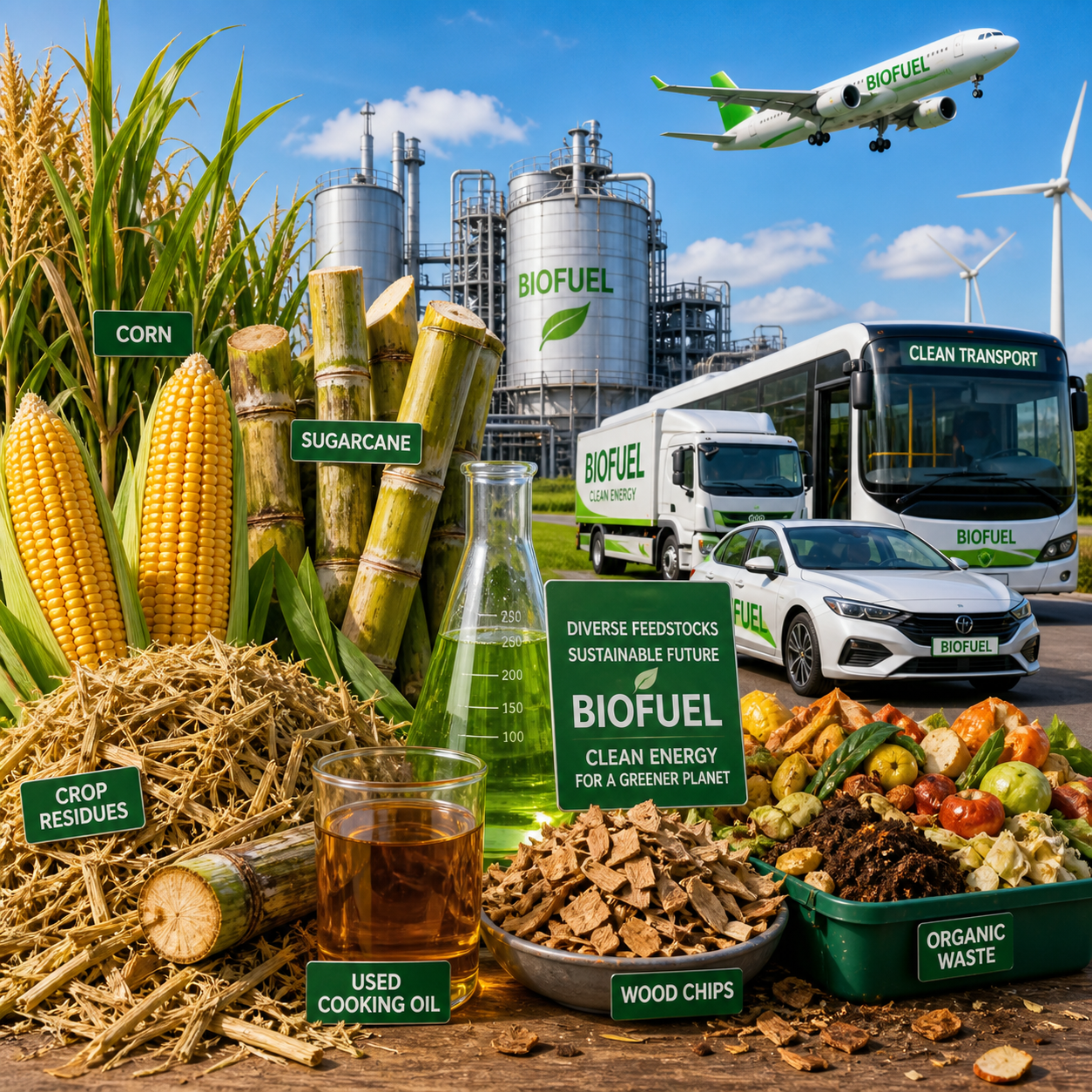
A biofuel-powered fleet uses fuels made partly or wholly from renewable biological materials, such as waste oils, animal fats, crops, or organic residues. The main options for diesel fleets are biodiesel and renewable diesel, which differ in how they are produced and how they work in vehicles.
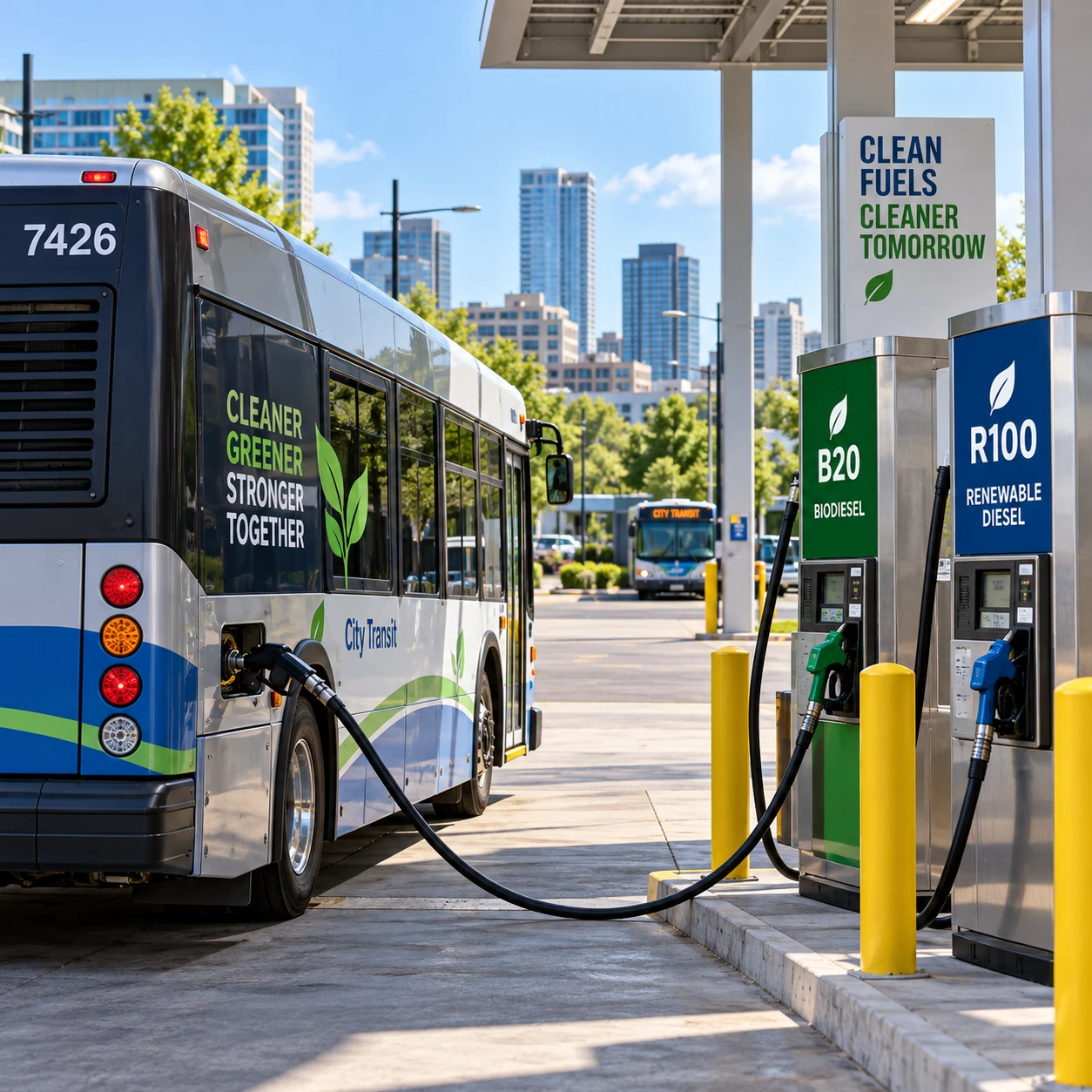
Biodiesel is commonly blended with petroleum diesel. A blend such as B20 contains 20% biodiesel and 80% petroleum diesel; the permitted blend and vehicle requirements depend on the engine and manufacturer. Higher blends may require additional checks for compatibility, storage, and cold-weather operation.
Renewable diesel is produced by processing biological feedstocks into a fuel with properties similar to petroleum diesel. It can often be used in existing diesel engines and distribution systems, subject to the product specification and vehicle guidance. Despite the similar name, renewable diesel is chemically different from biodiesel.
Other biofuels, including ethanol, are used in suitable spark-ignition vehicles or as blends in gasoline. A fleet should choose a fuel for its vehicle platform and routes, not assume one biofuel can serve every vehicle. Using a drop-in fuel can reduce the need for new vehicles, though supply, price, and emissions benefits still need to be verified.
Potential Reductions in Greenhouse Gas Emissions
Biofuels can reduce lifecycle greenhouse gas emissions compared with petroleum fuels when their production and use result in lower overall emissions. The size of the reduction varies widely with feedstock, processing energy, transport, land-use effects, and the fuel displaced.
A lifecycle assessment considers emissions across the fuel’s pathway: growing or collecting the feedstock, processing it, transporting and distributing the fuel, and burning it in a vehicle. This is different from measuring only exhaust emissions. A fuel may produce carbon dioxide at the tailpipe while still having lower lifecycle emissions if its feedstock absorbed carbon as it grew or if it is made from waste that would otherwise have been discarded. That accounting does not make the exhaust carbon-free.
Feedstock matters. Fuels made from used cooking oil, certain waste fats, or residues may have lower lifecycle emissions than fuels made from crops that require energy-intensive cultivation or new land. Results also depend on how a facility produces process heat and electricity. A low-carbon feedstock processed using fossil-intensive energy can deliver a smaller benefit than expected.
Fleet managers can compare pathways using a consistent system boundary and credible, current emissions data. For context on lifecycle accounting, the U.S. Environmental Protection Agency explains the lifecycle approach used in its Renewable Fuel Standard lifecycle analysis. Results from one region or feedstock should not automatically be applied to another.
Effects on Air Quality and Tailpipe Pollution
Some biofuel blends can change tailpipe emissions, but the effect depends on the fuel, engine, after-treatment system, and driving conditions. Local air-quality gains should be assessed separately from lifecycle greenhouse gas reductions.
Replacing petroleum diesel with biodiesel or renewable diesel may reduce certain pollutants in some engine and fuel combinations, while other emissions may change little or vary by duty cycle. Nitrogen oxides, particulate matter, carbon monoxide, and hydrocarbons do not respond identically. Modern diesel exhaust treatment also affects the result, so a general claim about all vehicles or all biofuels would be misleading.
For fleets operating in busy neighborhoods, schools, ports, or distribution centers, exposure to exhaust near people can be a key concern. A useful comparison tests or models the specific vehicle and fuel combination, and accounts for the fleet’s routes, idling, maintenance, and emissions controls. Electrification may offer larger tailpipe pollution reductions for suitable routes, but biofuels can be relevant where vehicle range, payload, charging access, or replacement timing makes a near-term switch difficult.
Keep the two measures distinct: tailpipe emissions describe what leaves the vehicle, while lifecycle analysis estimates emissions across fuel production and use. Neither measure alone captures every environmental effect.
Resource Use and Feedstock Considerations
The environmental performance of biofuels depends heavily on where feedstocks come from and how they are produced. Responsible sourcing can support lower lifecycle emissions, while poorly managed production can add pressure on land, water, biodiversity, and food systems.
Waste-based feedstocks can make productive use of materials already available, but they are limited in volume and may be sought by multiple industries. Crop-based fuels can provide a larger supply, yet their impacts depend on farming inputs, yields, irrigation, soil management, and whether production changes land use directly or indirectly. Clearing forests or converting high-carbon ecosystems can create a substantial emissions burden that weakens or reverses climate benefits.
Ask fuel suppliers for the feedstock category, origin, certification or chain-of-custody information, and a lifecycle emissions value tied to a stated methodology. Also check whether a claim reflects actual sourcing or a market-average estimate. A fleet cannot control every upstream activity, but procurement criteria can reward traceability and better production practices.
Resource trade-offs matter in practice. A lower-carbon fuel may cost more or be available only in limited volumes. A credible transition plan prioritizes fuels with defensible environmental attributes and avoids treating “renewable” as proof of sustainability.
Fleet Compatibility and Adoption Factors
Biofuel adoption works best when the fuel matches fleet vehicles, storage systems, supplier capacity, and operating conditions. Before switching, confirm technical approval and test the logistics that keep vehicles running reliably.
Start with the vehicle manufacturer’s fuel guidance, warranty terms, and any applicable fuel standards. Biodiesel blends can affect cold-weather performance and may require attention to filters, seals, fuel storage, and maintenance practices, especially during an initial transition. Renewable diesel is often compatible with conventional diesel equipment, but operators should still verify the product specification and engine approval.
Next, confirm supply and infrastructure. Check whether the fuel is available at the depot or on established routes, whether tanks and pumps meet applicable requirements, and whether the supplier can provide consistent quality and delivery volumes. A fuel that is environmentally attractive on paper may disrupt operations if deliveries are unreliable or storage is unsuitable.
- Map the fleet: Record vehicle types, engine approvals, annual fuel use, routes, and replacement schedules.
- Run a controlled trial: Begin with a representative group of vehicles and track fuel use, maintenance, cold starts, and driver feedback.
- Check commercial terms: Compare delivered cost, contract duration, supply guarantees, and the environmental documentation included.
- Scale in stages: Expand only after the trial confirms operational fit and the claimed emissions pathway is supported.
Choosing a compatible drop-in fuel can avoid immediate vehicle replacement, but it does not remove the need to manage price volatility, limited availability, or feedstock scrutiny. Biofuels are one tool in a broader fleet decarbonization plan that may also include route optimization, reduced idling, efficiency upgrades, and electrification where feasible.
How Fleets Can Evaluate Environmental Benefits
Fleets can evaluate biofuel benefits by comparing fuels on the same lifecycle basis, then tracking actual fuel use, vehicle performance, and local emissions priorities. A clear baseline makes environmental claims easier to verify and operational trade-offs easier to spot.
Use this five-part check before committing to a long-term fuel contract:
- Set the baseline: Record current fuel consumption and emissions using a defined period and consistent vehicle data.
- Identify the pathway: Confirm fuel type, feedstock, production method, and geographic origin where available.
- Compare lifecycle data: Use comparable boundaries and recognized methods; note whether land-use effects and co-products are included.
- Measure the fleet result: Track fuel purchased and consumed, distance traveled, maintenance, and any relevant tailpipe or air-quality data.
- Review uncertainty: Document assumptions, data gaps, and supply changes, then revisit the assessment as sourcing or fleet composition changes.
Common mistakes are using a supplier’s headline reduction without checking the pathway, comparing lifecycle figures prepared with different methods, and treating a fuel switch as a substitute for efficiency improvements. Each can overstate progress. Report the fuel and methodology alongside the result, and distinguish estimated lifecycle savings from measured tailpipe changes.
Biofuel-powered fleets can contribute to lower transport emissions when the fuel pathway is genuinely lower-carbon and vehicles can use it safely and reliably. The strongest decisions combine verified sourcing, like-for-like lifecycle comparisons, and fleet data rather than relying on broad claims about biofuels as a category.